Best Probiotics for Gut Health (2026): Lectin-Free Picks, Including Dr. Gundry’s Formulas
Affiliate disclosure: My Lectin-Free Lunchbox may earn a commission from qualifying purchases, including as an Amazon Associate, at no extra cost to you.
This article is for general information only and is not medical advice. Talk with your doctor or pharmacist before starting a probiotic, especially if you are pregnant, have a weakened immune system, or have a serious medical condition.
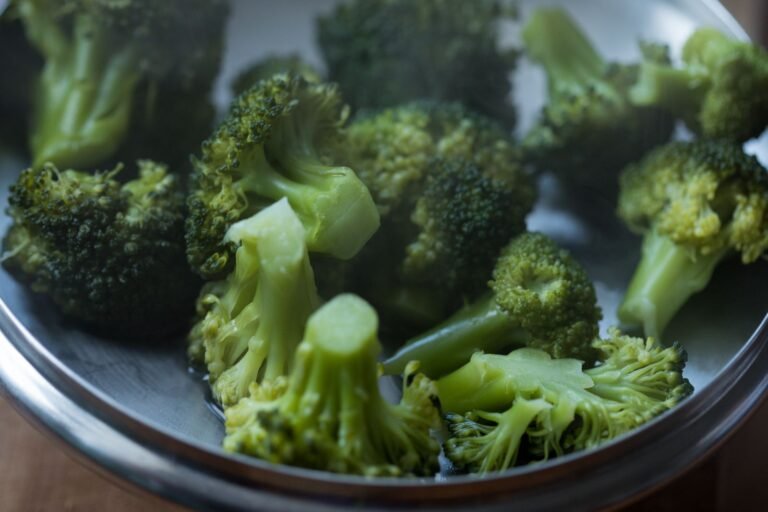
If you follow a lectin-free, Plant Paradox-style way of eating, you’ve probably heard Dr. Steven Gundry talk about feeding your “gut buddies,” the trillions of microbes that live in your digestive tract. Food comes first: fermented foods and plenty of prebiotic fiber from vegetables like leafy greens, cruciferous veggies and resistant starches. But many people also want a probiotic supplement for extra support, and the supplement aisle is confusing.
This guide compares seven probiotics for gut health that were live and in stock on Amazon when we checked on November 3, 2026. We include Dr. Gundry’s own formulas, a few of the most-studied single-strain probiotics, and multi-strain options. We also flag the ingredients a lectin-free eater may want to watch, like potato starch, milk-derived fillers and added sugar.
How we picked: We did not personally test these products for this article, and we can’t tell you which one will work for your body. We compared each Amazon listing’s strains, CFU count, prebiotic fibers, other ingredients, dosing and storage, and we leaned on guidance from the NIH Office of Dietary Supplements, the National Center for Complementary and Integrative Health and the American Gastroenterological Association.
Quick Picks: Best Probiotics for Gut Health at a Glance
| Probiotic | Best for | Key detail | Where to buy |
|---|---|---|---|
| Gundry MD Bio Complete 3 | Best Gundry-style 3-in-1 | B. coagulans + B. bifidum, PHGG and acacia prebiotics, tributyrin postbiotic | Check price on Amazon |
| Gundry MD Daily Pre & Pro Biotics | Best once-daily multi-strain from Gundry MD | 50 billion CFUs, 20 strains, acacia and konjac fiber | Check price on Amazon |
| Culturelle Digestive Daily | Best-studied single strain | Lactobacillus rhamnosus GG, 10 billion CFUs | Check price on Amazon |
| Align 24/7 Digestive Support | Best for occasional bloating and gas | Bifidobacterium longum 35624, one capsule a day | Check price on Amazon |
| Florastor | Best to take with antibiotics (ask your doctor) | Saccharomyces boulardii CNCM I-745, 250 mg | Check price on Amazon |
| Garden of Life Dr. Formulated 3-in-1 | Most strains listed | 30 billion CFU, 16 named strains, pre + post | Check price on Amazon |
| Physician’s CHOICE 60 Billion | Best value multi-strain | 60 billion CFU, 10 strains, organic prebiotics, 60-day bottle | Check price on Amazon |
Short answer: If you follow Dr. Gundry’s program, Gundry MD Bio Complete 3 is the most on-plan pick here: two spore-forming and bifido strains plus prebiotic fibers he talks about often, with no milk or potato ingredients listed. If you want the probiotic with the deepest research behind its specific strain, Culturelle (LGG) and Florastor (S. boulardii) are the classic choices. Just note their fillers, below.
What the Science Actually Says About Probiotics
Probiotics are live microorganisms meant to provide a health benefit when you take enough of them. According to the NIH Office of Dietary Supplements, their effects depend on the specific strain. Lacticaseibacillus rhamnosus GG is one example, and Saccharomyces boulardii is another. A benefit shown for one strain doesn’t automatically apply to another.
The evidence is strongest in a few areas. The NIH notes that some strains might help reduce the risk of antibiotic-associated diarrhea, especially when started within two days of the first antibiotic dose. The NCCIH says probiotics may help overall IBS symptoms, but researchers can’t yet say which strains work best. In its 2020 guidelines, the American Gastroenterological Association supported certain probiotics for preventing C. difficile infection in people taking antibiotics, but found insufficient evidence to recommend them for Crohn’s disease, ulcerative colitis or IBS.
The honest takeaway is to treat probiotics as a modest, possibly helpful add-on to a gut-friendly diet, not a cure. In the U.S. most probiotics are sold as dietary supplements, and as the NCCIH notes, supplements don’t need FDA approval before they’re sold.
Watch: Doctor Mike breaks down the real benefits and the myths around probiotics in plain language.
1. Gundry MD Bio Complete 3 — Best Gundry-Style 3-in-1
Bio Complete 3 is Dr. Gundry’s best-known gut supplement, and it’s built around his “pre, pro and post” approach. The probiotic blend lists Bacillus coagulans (a spore-forming strain) and Bifidobacterium bifidum. The prebiotic blend uses acacia gum and SunFiber guar fiber (PHGG), and the postbiotic is tributyrin (from CoreBiome), a form of butyrate.
For lectin-free eaters, the ingredient list is refreshingly short. We didn’t see milk, potato, sugar or soy, and the listing calls it certified gluten-free, vegetarian, keto-friendly and sugar-free. The directions call for two small capsules twice a day, preferably before a meal, so check how long a bottle will last you at that dose.
Key specs
- Probiotics: Bacillus coagulans, Bifidobacterium bifidum
- Prebiotics: acacia gum, SunFiber PHGG (partially hydrolyzed guar gum)
- Postbiotic: tributyrin (CoreBiome)
- Directions: 2 capsules twice daily, before a meal
- Certified gluten-free; vegetarian; soy-free; sugar-free
- CFU count not stated on the Amazon listing
Pros
- Matches Dr. Gundry’s prebiotic-first approach
- Clean list with no milk, potato or sugar listed
- Combines probiotics, prebiotic fiber and a postbiotic
Cons
- Four capsules a day is a lot to remember
- CFU count isn’t listed on the Amazon page
- Some of the listing’s claims (energy, skin, cravings) go beyond what research supports
Best for: Plant Paradox followers who want a Gundry-designed gut formula with a short, lectin-conscious ingredient list.
Watch: Gundry MD explains how prebiotics, probiotics and postbiotics work together. It’s useful background for the “3-in-1” products in this guide.
2. Gundry MD Daily Pre & Pro Biotics (50 Billion CFUs) — Best Once-Daily from Gundry MD
Gundry MD’s newer Daily Pre & Pro Biotics is the brand’s high-count, once-a-day option. Each capsule lists 50 billion CFUs across 20 probiotic strains, including several Lactobacillus and Bifidobacterium species plus Bacillus subtilis, coagulans and clausii.
The prebiotic side uses organic acacia gum and konjac root (glucomannan), both generally lectin-friendly fibers, and it adds an organic mushroom blend of reishi, maitake and oyster. Gundry MD aims it at adults 50+ and frequent travelers. The listing says grain-free and plant-based.
Key specs
- 50 billion CFUs; 20 strains
- Prebiotic fibers: organic acacia gum, konjac root (glucomannan)
- Organic reishi, maitake and oyster mushroom blend
- Directions: 1 capsule daily, with or without food
- Grain-free; plant-based; 30 servings
Pros
- One capsule a day
- Wide strain variety plus lectin-friendly prebiotics
- Simpler dosing than Bio Complete 3
Cons
- Newer product with fewer reviews than older brands
- Strain amounts aren’t broken out individually
- Mushroom blend adds ingredients some people may not want
Best for: Gundry fans who want a single daily capsule with a high CFU count.
3. Culturelle Digestive Daily Probiotic — Best-Studied Single Strain
Culturelle is built on one strain, Lactobacillus rhamnosus GG (LGG), which the NIH uses as its example of how probiotics are named. LGG is one of the most researched probiotic strains, and that focus is the main reason to choose Culturelle. This version lists 10 billion CFUs per capsule in a vegetarian capsule, and the brand says it survives stomach acid.
Culturelle’s directions call for one capsule daily, two a day when traveling, and one capsule twice daily during antibiotics, continuing for 10 days afterward. Lectin-free eaters should read the label. Besides LGG and inulin from chicory root, a prebiotic fiber, it lists sucrose and maltodextrin, plus titanium dioxide for color.
Key specs
- Strain: Lactobacillus rhamnosus GG
- 10 billion CFUs per capsule
- Prebiotic: inulin (chicory root)
- Other ingredients include sucrose, maltodextrin, titanium dioxide
- Directions: 1 capsule daily for ages 12+
- Gluten-free; vegetarian capsule; 30 count
Pros
- Deep research behind its single strain
- Clear directions for travel and antibiotic use
- Widely available and easy to find
Cons
- Contains sucrose and maltodextrin
- Uses titanium dioxide as a colorant
- Only one strain
Best for: People who want a well-researched strain and don’t mind a few fillers.
4. Align Probiotic 24/7 Digestive Support — Best for Occasional Bloating and Gas
Align uses a single, specific strain, Bifidobacterium longum 35624. The brand says the strain is backed by 20+ years of research and calls Align the #1 gastroenterologist-recommended probiotic brand. It’s positioned for occasional abdominal discomfort, gas and bloating, and Align says each lot is DNA-tested to confirm the strain.
It’s one capsule a day, and it doesn’t need refrigeration. Store it below 86°F in the original blister pack. Here’s the catch for Plant Paradox followers: the other ingredients include sodium caseinate (a milk protein), sucrose and titanium dioxide. If you avoid conventional dairy casein, this one may not fit your plan.
Key specs
- Strain: Bifidobacterium longum 35624
- Directions: 1 capsule daily
- Shelf-stable in blister packs; store below 86°F
- Other ingredients include sodium caseinate, sucrose, titanium dioxide
- Gluten-free; vegetarian; soy-free; 14-capsule box
Pros
- Strain-specific research for digestive comfort
- One small capsule a day
- Blister packs travel well
Cons
- Contains a milk protein (sodium caseinate) and sucrose
- Small box sizes
- Only one strain
Best for: People focused on occasional bloating and gas who are fine with a dairy-derived ingredient.
5. Florastor Probiotic — Best to Take with Antibiotics (Ask Your Doctor)
Florastor is different from the rest: it’s a probiotic yeast, Saccharomyces boulardii CNCM I-745, at 250 mg per capsule. The NIH lists S. boulardii among the common probiotics, and because it’s a yeast, antibiotics don’t kill it the way they can kill bacterial probiotics. That’s why many people ask their doctor about it during a course of antibiotics.
Florastor says the strain has 65+ years of use and research. The capsules are shelf-stable for three years, and the directions call for two capsules once or twice a day. It’s vegetarian, gluten-free and titanium dioxide-free, but it does contain lactose (sourced from milk), 32.5 mg per serving.
Key specs
- Strain: Saccharomyces boulardii CNCM I-745, 250 mg
- Directions: 2 capsules once or twice daily
- Shelf-stable; 3-year shelf life
- Contains lactose (32.5 mg)
- Vegetarian; gluten-free; titanium dioxide-free
Pros
- Yeast-based, so it pairs well with antibiotic courses
- Long track record for its specific strain
- No refrigeration needed
Cons
- Contains a small amount of lactose
- Higher dose (2–4 capsules a day)
- Not a multi-strain blend
Best for: Anyone who wants a probiotic to discuss with their doctor during or after antibiotics.
6. Garden of Life Dr. Formulated Once Daily 3-in-1 — Most Strains Listed
Garden of Life’s Dr. Formulated 3-in-1 lists every strain by name, which isn’t always the case with multi-strain blends. That includes LGG and well-known Bifidobacterium strains like B. lactis Bl-04 and BL818. You get 30 billion CFU from 16 strains in one capsule a day, plus a postbiotic made from fermented B. lactis BL818.
The prebiotic side includes PreforPro bacteriophages and organic acacia fiber, but it also includes organic potato resistant starch. Potatoes are a nightshade that Dr. Gundry’s program avoids, so strict lectin-free eaters may want to skip this one. It’s labeled gluten-free and vegan, and it’s made in a facility that also processes common allergens.
Key specs
- 30 billion CFU; 16 named strains
- Prebiotics: PreforPro, organic acacia, organic potato resistant starch
- Postbiotic from B. lactis BL818 fermentate
- Directions: 1 capsule daily
- Gluten-free; vegan; 30-day supply
Pros
- Transparent, strain-level labeling
- One capsule a day
- Includes LGG and several studied bifido strains
Cons
- Contains potato starch (a nightshade)
- Made in a facility with common allergens
Best for: Flexible eaters who want a well-labeled multi-strain formula.
7. Physician’s CHOICE Probiotics 60 Billion CFU — Best Value Multi-Strain
Physician’s CHOICE packs 60 billion CFU from 10 strains into one capsule a day, and a 60-count bottle lasts two months. The strains include Lactobacillus casei, acidophilus, paracasei, salivarius and plantarum, plus Bifidobacterium lactis, bifidum, longum and breve.
Its organic prebiotic blend uses Jerusalem artichoke, acacia (gum arabic) and chicory root. Those are inulin-type fibers that fit a lectin-conscious diet but can cause gas in some people at first. The brand says the formula is third-party tested for purity and potency, uses acid-resistant capsules and a shelf-stable bottle, and is vegan and gluten-free.
Key specs
- 60 billion CFU; 10 strains
- Organic prebiotics: Jerusalem artichoke, acacia, chicory root
- Directions: 1 capsule daily; 60-day bottle
- Shelf-stable; acid-resistant capsule
- Third-party tested (per brand); vegan; gluten-free
Pros
- Two-month supply in one bottle
- Lectin-friendly prebiotic fibers
- Third-party testing claimed
Cons
- Inulin-type fibers can cause gas at first
- Strain amounts aren’t broken out individually
- High CFU doesn’t automatically mean better results
Best for: Budget-conscious shoppers who want a once-daily multi-strain with prebiotics.
Buyer’s Guide: How to Choose a Probiotic on a Lectin-Free Diet
1. Choose by strain, not by billions
The NIH explains that probiotics are named by genus, species and strain, and that effects are strain-specific. A product with a named, well-researched strain, like LGG, B. longum 35624 or S. boulardii CNCM I-745, can be a better bet than a bigger CFU number with unnamed strains.
2. Read the “other ingredients” line
This is where lectin-free eaters get tripped up. Among our picks, we found potato resistant starch (Garden of Life), sodium caseinate from milk (Align), lactose (Florastor), and sucrose and maltodextrin (Culturelle, Align). None is a deal-breaker for everyone, but they matter if you’re strict about the Plant Paradox food lists.
3. Look for prebiotic fiber you tolerate
Dr. Gundry often stresses feeding your gut bacteria with prebiotic fiber. Acacia gum, PHGG, konjac (glucomannan), inulin and chicory root all show up in these products. Inulin-type fibers can cause gas and bloating at first, so start slow. You can also get prebiotics from food. See our recommended supplements for a lectin-free diet.
4. Don’t forget fermented foods
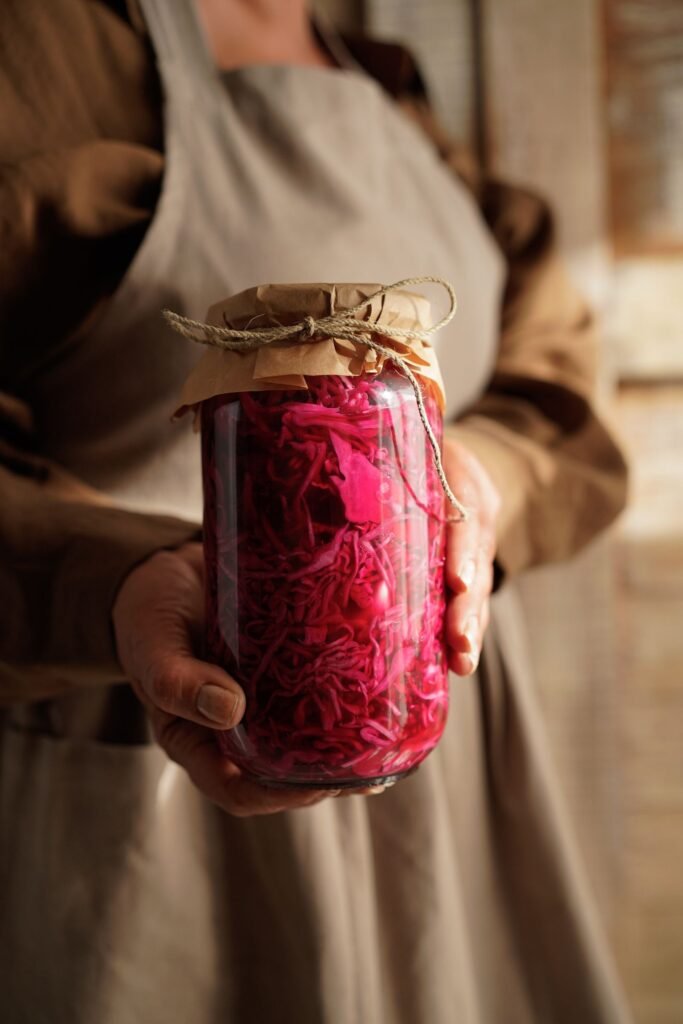
The NIH notes that fermented foods like yogurt, sauerkraut and kimchi contain live microorganisms, though not all of them qualify as probiotics. Many lectin-free eaters make their own goat or sheep milk yogurt at home. Our guide to yogurt makers for goat milk yogurt shows how.
5. Storage and dose
All seven picks are sold as shelf-stable, but heat can still hurt live cultures, so keep them in a cool, dry spot. Check the daily dose too. Bio Complete 3 calls for four capsules a day, while most others need just one.
6. Safety first
The NIH says probiotics rarely cause problems in healthy people beyond gas. The NCCIH warns that people with weakened immune systems or serious illnesses face higher risks. Ask your doctor before starting one, and especially before giving probiotics to infants or children.
Probiotics FAQ
Are probiotics lectin-free?
Probiotic bacteria and yeasts themselves aren’t a lectin concern, but the fillers and prebiotics can be. Check for potato starch, grain-based fillers, milk proteins and sugar. Gundry MD Bio Complete 3 and Gundry MD Daily Pre & Pro Biotics had the most lectin-conscious ingredient lists among our picks.
How long does it take for a probiotic to work?
There’s no single answer, and results depend on the strain, the dose and the reason you’re taking it. Many studies run for several weeks. If you don’t notice anything after a month or two, talk with your doctor about whether to continue.
Should I take a probiotic with antibiotics?
The NIH says some probiotic strains might help reduce the risk of antibiotic-associated diarrhea, especially when started within two days of the first antibiotic dose. Ask your doctor or pharmacist about timing and which product to use.
Is a higher CFU count better?
Not necessarily. A higher CFU count means more live organisms at manufacture, but the strain and the evidence behind it matter more. A 10-billion-CFU product with a well-studied strain can be a better choice than a 60-billion blend.
Do I need a probiotic if I eat fermented foods?
Not always. Many people get live cultures from foods like yogurt and sauerkraut. Supplements are an option if you want a specific studied strain or don’t eat fermented foods often.
Can probiotics cause side effects?
The most common one is gas or bloating, especially when you’re getting used to products with prebiotic fiber. The NCCIH warns that people with serious illnesses or weakened immune systems are at higher risk of harmful effects, so check with your doctor first.
Final Thoughts
No probiotic can replace a gut-friendly diet, but the right one can be a helpful extra. For Plant Paradox followers, Gundry MD Bio Complete 3 fits the program best, and Gundry MD Daily Pre & Pro Biotics is the simpler once-a-day option. For the strongest strain-specific research, look at Culturelle (LGG), Align (B. longum 35624) and Florastor (S. boulardii), keeping their fillers in mind. For a multi-strain blend, choose Garden of Life for transparent labeling or Physician’s CHOICE for value.
Want to go deeper on Dr. Gundry’s gut-health ideas? Our comparison of Dr. Gundry’s books can help you pick where to start.
Subscribe to My Lectin Free Lunchbox on YouTube for more lectin-free kitchen tips, quizzes and gut-friendly ideas.
Sources
- NIH Office of Dietary Supplements — Probiotics: Fact Sheet for Consumers
- National Center for Complementary and Integrative Health — Probiotics: Usefulness and Safety
- American Gastroenterological Association — AGA does not recommend the use of probiotics for most digestive conditions (2020)
- Ingredients, strains and directions from each product’s Amazon listing, checked November 3, 2026
Not medical advice. This content is for general informational purposes and does not replace guidance from a qualified health professional. These statements have not been evaluated by the FDA, and these products are not intended to diagnose, treat, cure or prevent any disease.