Instant Pot vs Rice Cooker vs Air Fryer (2026): Which Does a Lectin-Free Kitchen Need?
Disclosure: MyLectinFreeLunchbox may earn a commission from qualifying purchases, including as an Amazon Associate, at no extra cost to you.
Counter space is limited, so which appliance earns it: an Instant Pot, a rice cooker or an air fryer? All three are popular, they overlap a little, and each does one job better than the others. For a Dr. Gundry-inspired, lectin-light kitchen, the choice also depends on what you cook. Pressure-cooked beans, millet and sorghum, crispy green plantains and pastured chicken each favor a different machine.
This guide explains what each appliance does best, where they overlap, and which models to consider, including a combo pressure cooker and air fryer if you want two in one.
How we compared: We did not hands-on test these specific products for this article. We compared each Amazon listing’s specifications (functions, capacity, wattage, temperature range, inner-pot material and warranty), checked that each listing was live and in stock on November 2, 2026, and reviewed published research and Gundry MD guidance, cited below.
This article is for general information only and is not medical advice. If you have a health condition, such as diabetes, or are considering a major dietary change, talk to your doctor or a registered dietitian.

Quick Picks at a Glance
| Product | Type | Best for | Where to buy |
|---|---|---|---|
| Instant Pot Duo 6 Qt | Pressure cooker / multicooker | Best overall for lectin-free cooking | Check price on Amazon |
| Zojirushi NS-TSC10 | Micom rice cooker | Best rice cooker overall | Check price on Amazon |
| Zojirushi NS-ZCC10 Neuro Fuzzy | Neuro Fuzzy rice cooker | Best for grain variety and porridge | Check price on Amazon |
| Aroma ARC-914SBD | Digital rice cooker + steamer | Best budget rice cooker | Check price on Amazon |
| Instant Vortex Plus 6 Qt | Basket air fryer | Best air fryer for most kitchens | Check price on Amazon |
| Instant Pot Duo Crisp Ultimate 6.5 Qt | Pressure cooker + air fryer combo | Best two-in-one | Check price on Amazon |
Short answer: If you’re buying one appliance for a lectin-free kitchen, start with the Instant Pot. Pressure cooking is the method Dr. Gundry recommends for beans and legumes, and it also cooks rice, millet, stews and broths. Add an air fryer next for crispy vegetables, plantains and chicken with very little oil. A dedicated rice cooker makes sense mainly if your household eats rice or other grains several times a week.
What Each Appliance Does Best
| Instant Pot | Rice cooker | Air fryer | |
|---|---|---|---|
| How it cooks | Steam under pressure (plus slow cook, sauté, steam) | Controlled simmer and steam, then keep-warm | Fast-moving hot air, like a small convection oven |
| Best lectin-free uses | Soaked beans and lentils, sweet potatoes, bone broth, stews, millet | Millet and other grains, steamed vegetables, white basmati rice if you include it | Green plantains, sweet potato fries, Brussels sprouts, pastured chicken, salmon |
| Crispy food | No (unless it’s a combo model) | No | Yes |
| Rice quality | Good | Best, plus long keep-warm | Not designed for rice |
| Typical power | 1000W | About 350–680W (models here) | About 1500W |
A Quick Lectin Primer for Each Appliance
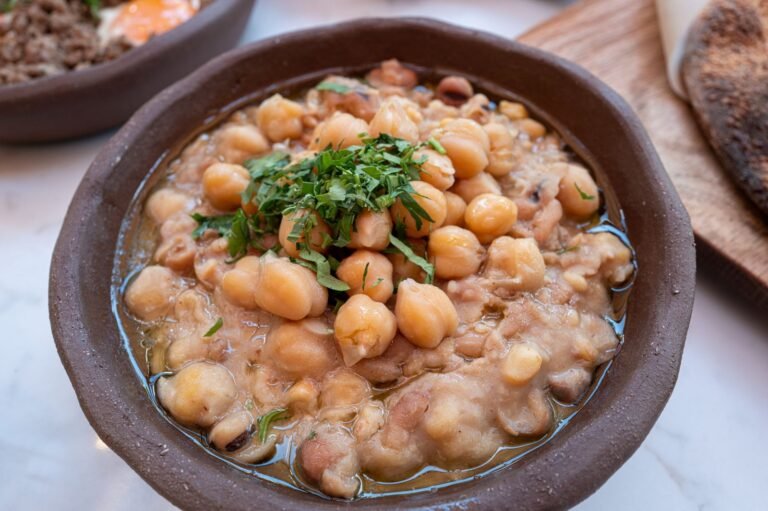
Pressure cooker: Gundry MD calls the pressure cooker a key appliance because steam under pressure reaches about 250°F. His site says that heat does a good job of reducing lectins in beans, tomatoes and potatoes, though it won’t remove every last lectin and doesn’t help with grains like wheat. The FDA likewise says kidney bean lectin is destroyed by thorough cooking, which is why undercooked beans are the main concern.
Rice cooker: Dr. Gundry’s food lists generally steer readers away from grains, rice included, while allowing millet and sorghum. In a lecture transcript, he called Indian white basmati the safest rice if you choose to eat it, and he recommended pressure cooking it. There’s also an interesting resistant-starch angle. In a small 2015 study, cooked white rice that was refrigerated for 24 hours and then reheated had more resistant starch and caused a lower blood sugar response in healthy adults than freshly cooked rice. If you batch-cook rice, refrigerate it promptly.
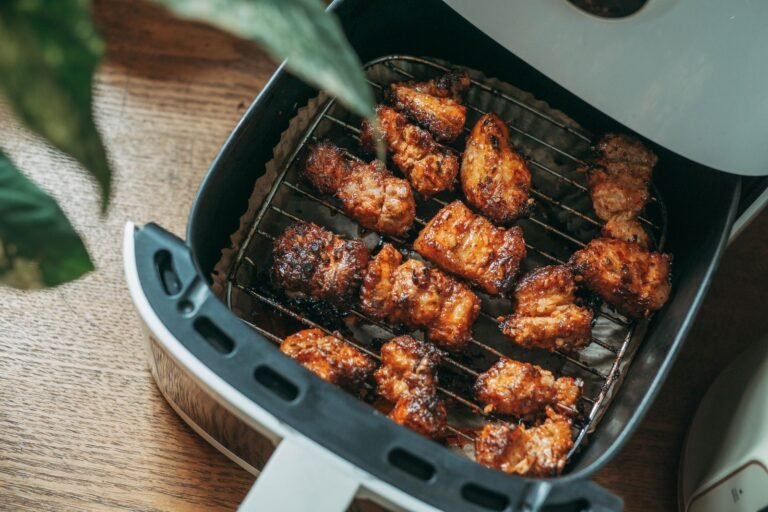
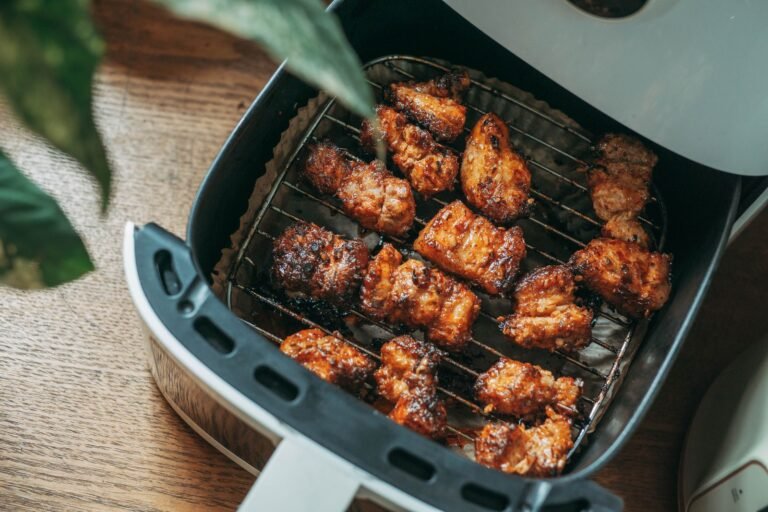
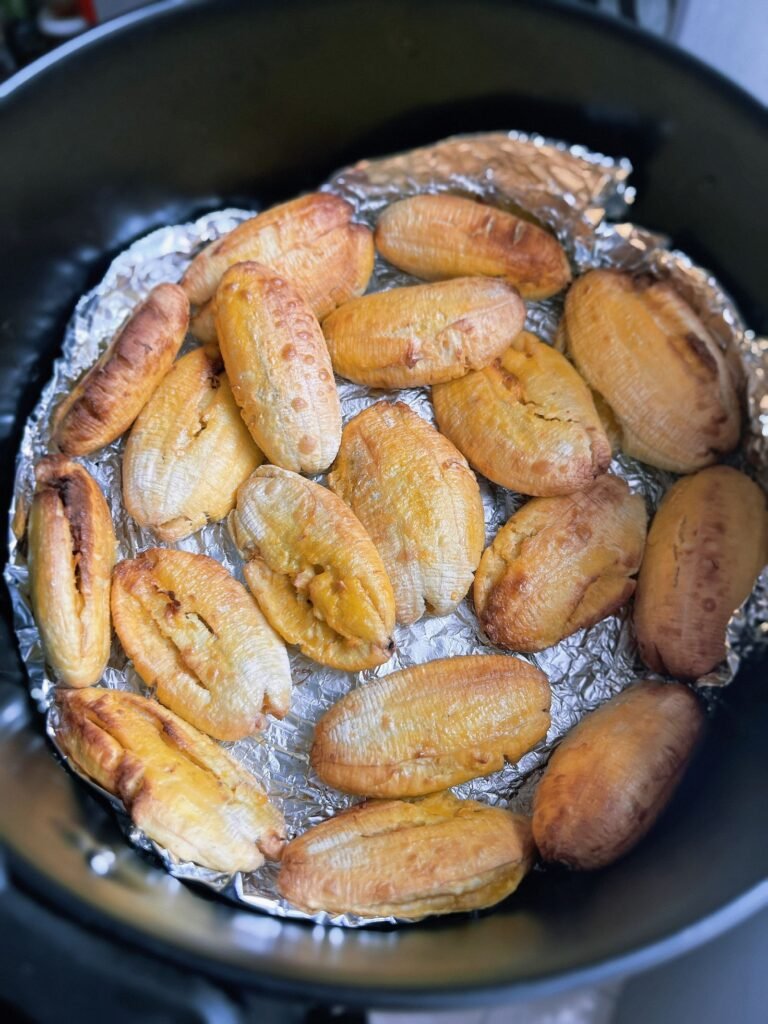
Air fryer: Air fryers don’t affect lectins, but they make it easy to cook Gundry-friendly foods like green plantains, sweet potatoes, cauliflower and pastured chicken with a small amount of avocado or olive oil instead of deep frying. Instant says its EvenCrisp air fryers use 95% less oil than traditional deep frying.
1. Instant Pot Duo 6 Qt 7-in-1 — Best Overall for Lectin-Free Cooking
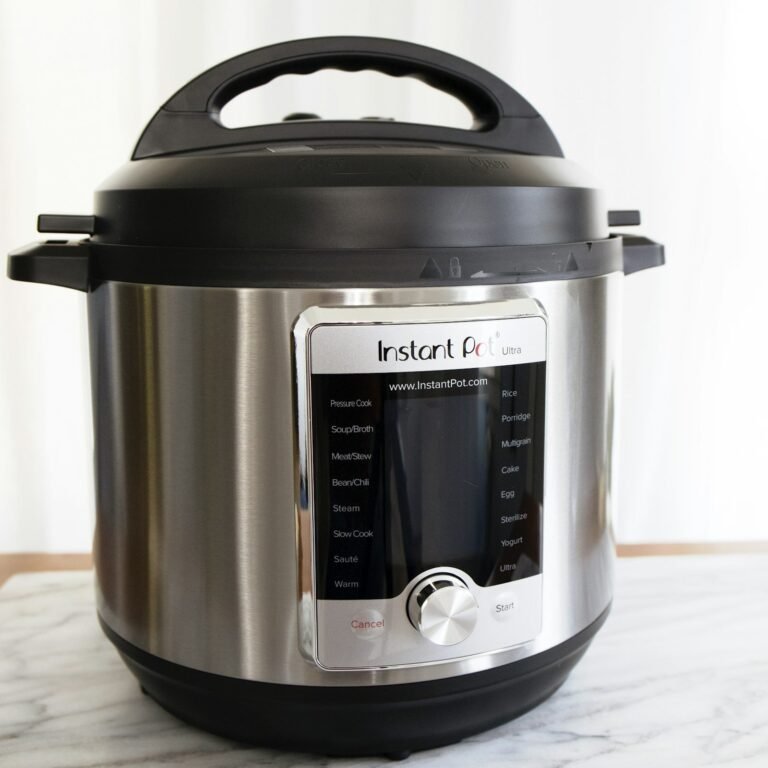
The Duo combines pressure cook, slow cook, rice, yogurt, steam, sauté and warm in one 6-quart pot, with 13 customizable Smart Programs for beans, rice, soups, poultry and more. Instant Pot says it cooks up to 70% faster than traditional methods. For lectin-free cooks, it’s the appliance that does the most important job: turning soaked beans and lentils into properly pressure-cooked, lectin-reduced food in minutes.
It also cooks rice, millet and other grains on the Rice program or with manual pressure settings, so for many households it replaces a rice cooker. The stainless steel inner pot has a tri-ply bottom for sautéing, and the lid, pot and accessories are dishwasher safe. For more detail, see our best pressure cookers for lectins guide.
Key specs
- Functions: 7-in-1 (pressure cook, slow cook, rice, yogurt, steam, sauté, warm)
- Smart Programs: 13
- Capacity: 6 quarts
- Power: 1000W, 120V
- Inner pot: stainless steel, tri-ply bottom
- Weight: about 14.6 lb
Pros
- Best tool for lectin-reduced beans and legumes
- Also handles rice and grains
- Stainless steel, no nonstick coating
- Replaces several appliances
Cons
- No crisping or air frying
- Rice keep-warm isn’t as gentle as a dedicated rice cooker
Best for: Anyone building a lectin-free kitchen who can only buy one appliance.
2. Zojirushi NS-TSC10 Micom — Best Rice Cooker Overall
Zojirushi is the brand rice cooker fans recommend most, and the NS-TSC10 is a mid-range model in its lineup. It uses micro-computerized fuzzy logic to adjust cooking, holds up to 5.5 cups of uncooked rice (1.0 liter), and includes automatic keep-warm, extended keep-warm and reheating cycles.
Beyond rice, it has a Steam menu for vegetables and a Cake menu. Two delay-timer settings let you have grains ready when you get home. The clear-coated stainless steel exterior wipes clean, and the cord retracts. It draws 610 watts and has a 1-year warranty. Many cooks also use rice cookers for millet, adjusting the water to taste.
Key specs
- Technology: micom fuzzy logic
- Capacity: 5.5 cups uncooked (1.0 L)
- Menus: rice settings, steam and cake
- Keep-warm: automatic, extended, plus reheat
- Timer: 2 delay settings
- Power: 610W, 120V
- Size: about 10.1 x 14 x 8.5 in
- Warranty: 1 year
Pros
- Excellent, consistent grains
- Long, gentle keep-warm
- Steam and cake menus add versatility
Cons
- Only one main job
- Inner pan is hand-wash only
- Costs more than basic rice cookers
Best for: Households that cook rice or millet several times a week.
3. Zojirushi NS-ZCC10 Neuro Fuzzy — Best for Grain Variety and Porridge
The NS-ZCC10 is Zojirushi’s long-running Neuro Fuzzy model. Its spherical nonstick inner pan heats evenly, and its menu has more grain settings than the TSC10: white (regular/sushi, softer or harder), mixed, porridge, sweet, semi-brown, brown, rinse-free and quick cooking.
That porridge setting is handy for a warm millet breakfast. It also has an LCD clock and timer, automatic keep-warm, extended keep-warm and reheat cycles, a retractable cord, and two measuring cups. It’s rated at 680 watts and has a 1-year limited warranty.
Key specs
- Technology: Neuro Fuzzy logic
- Capacity: 5.5 cups uncooked (1.0 L)
- Menus: white, sushi, mixed, porridge, sweet, semi-brown, brown, rinse-free, quick
- Inner pan: spherical, nonstick
- Extras: LCD clock and timer, retractable cord
- Power: 680W
- Warranty: 1 year limited
Pros
- Widest menu of the rice cookers here
- Great porridge setting
- Proven, long-running design
Cons
- Nonstick (coated) inner pan
- No dedicated steam basket menu like the TSC10
Best for: Cooks who want porridge and many grain options from one machine.
4. Aroma ARC-914SBD Digital — Best Budget Rice Cooker
If you only cook grains occasionally, Aroma’s compact digital cooker is an inexpensive way to get hands-off results. It cooks 2 to 8 cups of cooked rice or grains and has presets for White Rice, Brown Rice, Steam and Flash Rice, with automatic Keep Warm when the cycle ends.
The included steam tray lets you steam vegetables or fish while grains cook below, which is a nice one-pot lectin-free lunch. Aroma’s Sensor Logic adjusts the internal temperature during cooking. The cooker draws 350 watts, has a stainless steel exterior and comes with a 1-year warranty.
Key specs
- Capacity: 2–8 cups cooked (4 cups uncooked), 2 qt
- Presets: White Rice, Brown Rice, Steam, Flash Rice
- Extras: steam tray, automatic Keep Warm
- Power: 350W, 120V
- Size: about 8.6 x 9.3 x 8.5 in
- Warranty: 1 year
Pros
- Low price for a digital cooker
- Steam tray for one-pot meals
- Compact footprint
Cons
- Smaller capacity
- Less refined than Zojirushi models
Best for: Occasional grain eaters and small kitchens.
Watch: Prudent Reviews tests rice cookers from Zojirushi, Instant Pot, Aroma, Cuckoo and others side by side. It’s a useful look at how a dedicated rice cooker compares with an Instant Pot.
5. Instant Vortex Plus 6 Qt — Best Air Fryer for Most Kitchens
The Vortex Plus is a 6-quart basket air fryer with six functions: air fry, bake, roast, broil, dehydrate and reheat. Its temperature range runs from 95°F to 400°F, low enough for dehydrating and high enough for crisp roasted vegetables. Instant’s EvenCrisp technology circulates hot air for a crunchy finish, and the company says it uses 95% less oil than deep frying.
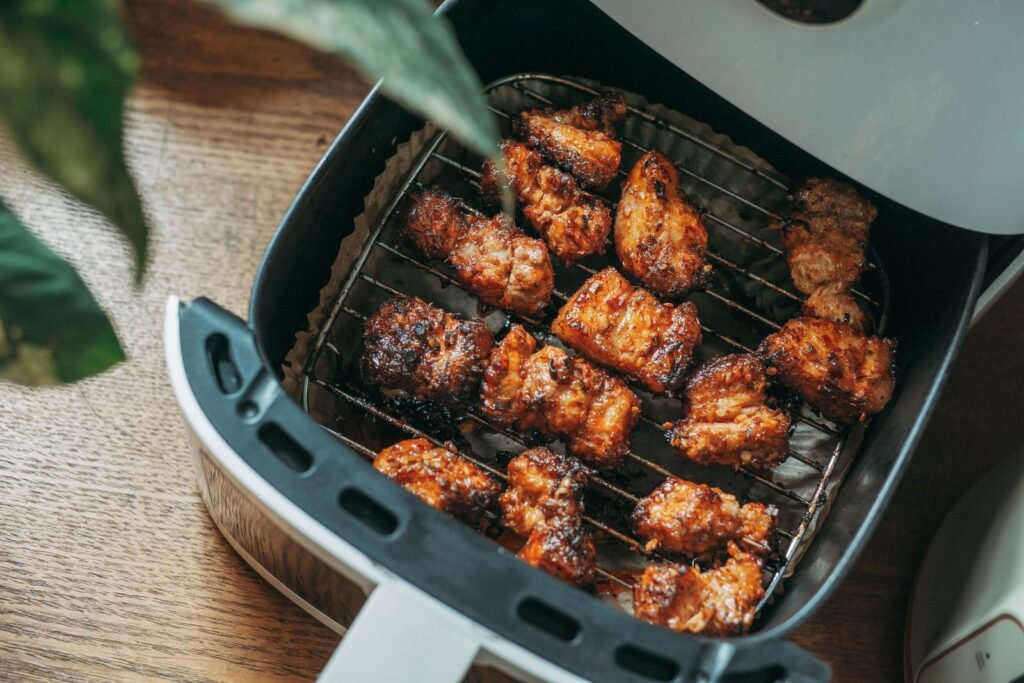
For lectin-free cooking, it’s a fast way to make green plantain chips, sweet potato wedges, crispy Brussels sprouts and pastured chicken thighs. The 6-quart basket serves up to 6 portions, the nonstick basket cleans up easily, and a touchscreen shows each cooking stage. For a deeper look at the whole line, read our Instant Vortex air fryer review.
Key specs
- Functions: air fry, bake, roast, broil, dehydrate, reheat
- Temperature: 95–400°F
- Capacity: 6 quarts (up to 6 portions)
- Power: 1500W (1700W output listed), 120V
- Technology: EvenCrisp
- Finish: stainless steel
Pros
- Quick, crispy results with little oil
- Wide temperature range, including dehydrating
- Family-size basket
Cons
- Nonstick-coated basket
- Doesn’t pressure cook or cook rice
- Takes up counter space
Best for: Anyone who wants crispy vegetables, plantains and proteins without deep frying.
6. Instant Pot Duo Crisp Ultimate 6.5 Qt — Best Two-in-One
If you want a pressure cooker and an air fryer but only have room for one machine, the Duo Crisp Ultimate is the answer. It has 13 functions: pressure cook, air fry, slow cook, steam, sauté, roast, bake, broil, dehydrate, sous vide, yogurt, proof bread and keep warm. Unlike earlier Duo Crisp models, it uses one lid that switches between pressure cooking and air frying, so there’s no second lid to store.
You can pressure cook a whole chicken or a pot of soaked chickpeas, then crisp them without moving them to another appliance. Venting is controlled from the panel, and the display shows an “OK to Open Lid” message. The 6.5-quart pot serves up to 6. The trade-off is size: at about 23 lb, it’s heavy. For more on the combo concept, see our Instant Pot Duo Crisp review.
Key specs
- Functions: 13-in-1, including pressure cook and air fry
- Lid: single lid for both pressure and air frying
- Capacity: 6.5 quarts
- Power: 1500W, 120V
- Safety: panel-controlled venting, “OK to Open Lid” display
- Size / weight: about 15.4 x 15.5 x 13.4 in, 23.3 lb
Pros
- Pressure cooker and air fryer in one
- No separate lid to store
- Sous vide and yogurt too
Cons
- Large and heavy
- Smaller air-fry area than a dedicated basket fryer
- Costs more than either appliance alone at entry level
Best for: Small kitchens that want pressure-cooked beans and crispy food from one machine.
Watch: Six Sisters’ Stuff compares an air fryer and an Instant Pot for everyday cooking and explains which jobs each one handles best.
Buyer’s Guide: Which One Should You Buy?
Buy an Instant Pot first if…
- You eat beans, lentils or chickpeas, since pressure cooking is the lectin-smart way to cook them.
- You want fast stews, bone broth and one-pot dinners.
- You only have room for one appliance. It also cooks rice and millet.
Add a rice cooker if…
- Your household eats rice or grains several times a week.
- You want perfect grains with long keep-warm and a delay timer.
- You like steaming vegetables or fish over grains in one pot.
Add an air fryer if…
- You miss crispy, “fried” textures without the deep fryer.
- You cook lots of vegetables, plantains, sweet potatoes, wings or fish.
- You want to reheat leftovers so they come out crisp instead of soggy.
Consider a combo if…
Counter space is your biggest constraint and you want pressure cooking plus air frying. The Duo Crisp Ultimate covers both, though a separate basket air fryer usually has more room for crisping.
Features that matter
- Inner pot material: stainless steel (Instant Pot) avoids nonstick coatings. Most rice cookers and air fryer baskets are nonstick.
- Capacity: 6 quarts suits most families. Rice cookers are measured in uncooked cups, and 5.5 cups suits 2–6 people.
- Timers and keep-warm: helpful for shift workers and busy families.
- Wattage: air fryers draw around 1500W, so avoid running them on the same circuit as another high-draw appliance.
Frequently Asked Questions
Can an Instant Pot replace a rice cooker?
For most households, yes. The Instant Pot’s Rice program and pressure settings cook rice and grains well. A dedicated rice cooker is better at consistent texture and long, gentle keep-warm.
Can an Instant Pot replace an air fryer?
A standard Instant Pot can’t crisp food. You’d need a combo model like the Duo Crisp Ultimate or an air fryer lid accessory. Read our Instant Pot air fryer lid review for that option.
Is rice allowed on a lectin-free diet?
Dr. Gundry’s food lists generally avoid rice and other grains, apart from millet and sorghum. He has said Indian white basmati is the safest rice for those who eat it and suggests pressure cooking it. Brown rice keeps the lectin-containing hull, so he advises against it.
Do air fryers reduce lectins?
No. Air frying is about texture and using less oil. For lectin-containing foods like beans, pressure cooking is the method Dr. Gundry recommends.
Which appliance uses the least electricity?
The rice cookers here draw about 350–680W, the Instant Pot Duo about 1000W and air fryers about 1500W. Cooking time matters too, so a fast high-wattage appliance isn’t always the costliest to run.
Should I buy all three?
Only if you’ll use them. Many lectin-free cooks find an Instant Pot plus an air fryer covers nearly everything, and they add a rice cooker only if grains are a regular part of their diet.
Final Thoughts
For a lectin-free kitchen, the Instant Pot Duo is the most useful first appliance, because it pressure cooks beans and legumes and also handles rice, millet, stews and broth. The Instant Vortex Plus is the best next step for crispy vegetables, plantains and proteins with little oil. Choose a Zojirushi or the budget Aroma only if grains are a regular part of your meals. If you want two in one, the Duo Crisp Ultimate is the space saver.
Subscribe to My Lectin Free Lunchbox on YouTube for more lectin-free kitchen tips, quizzes and Instant Pot ideas.
Sources
- Gundry MD — Cooking With Steam: How to Use a Pressure Cooker Safely
- Gundry MD — Which Plant Foods Have Lectins?
- Dr. Gundry — Yes/No Lecture Transcript
- Sonia S, Witjaksono F, Ridwan R. Effect of cooling of cooked white rice on resistant starch content and glycemic response. Asia Pac J Clin Nutr. 2015;24(4):620–625
- U.S. FDA — Natural Toxins in Food
- Manufacturer specifications from each product’s Amazon listing, checked November 2, 2026
Not medical advice. This content is for general informational purposes and does not replace guidance from a qualified health professional.