Best and Worst Chocolate for a Lectin-Free Diet (2026): 72%+ Dark Chocolate Picks
Affiliate disclosure: My Lectin Free Lunchbox may earn a commission from qualifying purchases, including as an Amazon Associate, at no extra cost to you.
This article is for informational purposes only and is not medical advice. Chocolate contains caffeine and theobromine, and dark chocolate can contain trace heavy metals. Talk with your clinician if you are pregnant, managing blood sugar or have kidney, heart or migraine concerns.
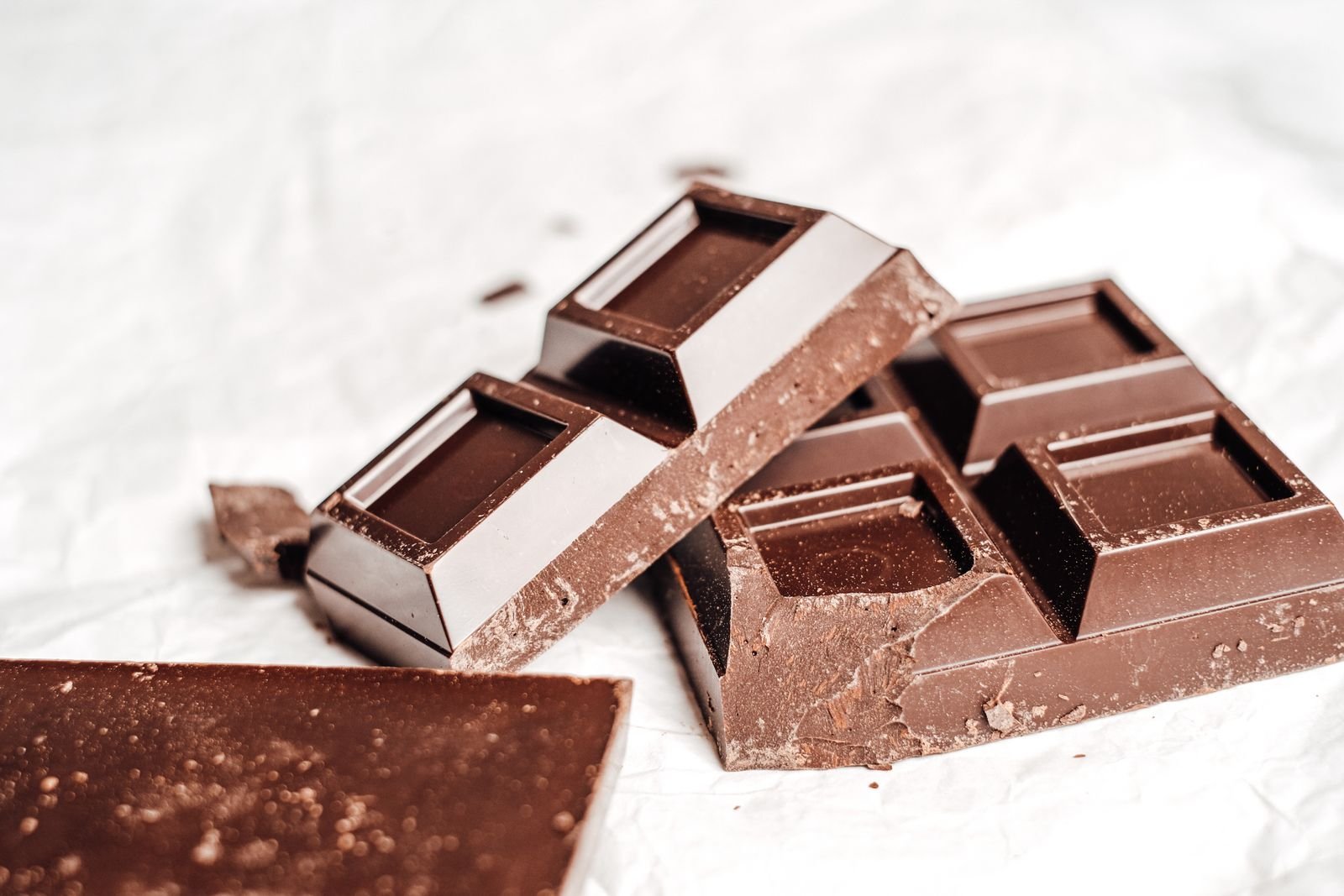
Good news for chocolate lovers: dark chocolate is on Dr. Gundry’s “yes” list. The catch is that he means a specific kind, 72% cacao or higher, with no milk and no “Dutch” (alkali) processing. In his own videos he sums it up as “more bitter, more better,” because the bitter polyphenols are the part he wants you to keep.
Walk down the candy aisle, though, and most bars fail at least one of those tests. Below we sort the best and worst choices: six products that fit a lectin-free plan, one popular bar that comes with a caveat, and the label red flags to avoid. We have not lab-tested these bars. Ingredients and claims come from live Amazon listings checked on November 12, 2026, and from the brands’ retail labels where the Amazon page did not show a full ingredient list.
Watch the Quick Video Guide
Watch: Dr. Gundry on dark chocolate
Quick picks: best chocolate for a lectin-free diet
| Pick | Cacao | Sweetener | Why it fits | Link |
|---|---|---|---|---|
| Alter Eco Super Blackout | 90% | Raw cane sugar (small amount) | Organic, 4 simple ingredients, no alkali or soy | Check price on Amazon |
| Taza Wicked Dark | 95% | Cane sugar (small amount) | Stone ground, 2 ingredients, soy-free | Check price on Amazon |
| Theo Pure Dark | 85% | Cane sugar | Organic, soy-free, no emulsifiers | Check price on Amazon |
| Lily’s Extremely Dark | 85% | Stevia + erythritol | No added sugar | Check price on Amazon |
| Navitas Organics Cacao Nibs | 100% (nibs) | None | Unsweetened, non-alkalized | Check price on Amazon |
| Lindt Excellence 90% (with a caveat) | 90% | Sugar | Easy to find, very low sugar, but contains alkalized cocoa | Check price on Amazon |
What makes chocolate “lectin-free friendly”?
Cacao itself is not a major lectin concern in Dr. Gundry’s framework, and his Plant Paradox “yes” list includes dark chocolate at 72% or greater. The problems come from what gets added or done to it:
- Milk and milk fat: Dr. Gundry recommends avoiding milk additives in chocolate, and conventional dairy is limited on his plan.
- Dutch processing (alkalization): look for “cocoa processed with alkali” on the label. A 2008 study in the Journal of Agricultural and Food Chemistry found that alkalization substantially reduced the flavanol content of cocoa powders, and the heavier the processing, the bigger the loss.
- Soy lecithin: a common emulsifier. Soy is on Dr. Gundry’s “no” list, so stricter followers skip it.
- Lots of sugar: the higher the cacao percentage, the less room there is for sugar.
- Peanuts, cereal crisps and other add-ins: peanuts and grains are “no” foods.
1. Alter Eco Super Blackout 90%: best overall
Alter Eco’s Super Blackout is about as clean as a mainstream chocolate bar gets. It has four organic ingredients, no milk, no soy and no alkali. Ecuadorian and Dominican cacao gives it a malty, fruity depth, and Swiss conching keeps it smooth enough that 90% does not feel punishing.
Key specs (from the Amazon listing)
- 90% cacao; 4-pack of bars
- Ingredients: organic cacao beans, organic cocoa butter, organic raw cane sugar, organic vanilla beans
- USDA Organic, Fair Trade, Non-GMO, gluten free, dairy free
- Climate Neutral Certified; recyclable FSC-certified packaging
Pros
- Simple, Gundry-friendly ingredient list
- Smooth for a 90% bar
- Organic and Fair Trade
Cons
- Contains a small amount of cane sugar
- Melts easily in warm-weather shipping (brand warns about this)
- Pricier than supermarket bars
Best for: an everyday square that checks every box.
2. Taza Wicked Dark 95%: most minimally processed
Taza stone-grinds its chocolate in Somerville, Massachusetts, on traditional Mexican stone mills. The result is rustic and gritty in a good way, made from just two ingredients. At 95% it is intense, but if you have worked your way up from 72% the way Dr. Gundry suggests, it is a rewarding end point.
Key specs (from the Amazon listing)
- 95% cacao; 2.5 oz bar
- Ingredients: organic cacao beans, organic cane sugar
- USDA Organic, Non-GMO Project Verified, Kosher, Direct Trade
- Gluten-free, dairy-free, soy-free, vegan
Pros
- Just two ingredients
- Very little sugar at 95%
- Minimally processed, bean-to-bar
Cons
- Gritty texture is not for everyone
- Very bitter for beginners
- Listing shows limited stock; allergen field lists tree nuts
Best for: experienced dark chocolate fans who want minimal processing.
3. Theo Pure Dark 85%: best for stepping up from 72%
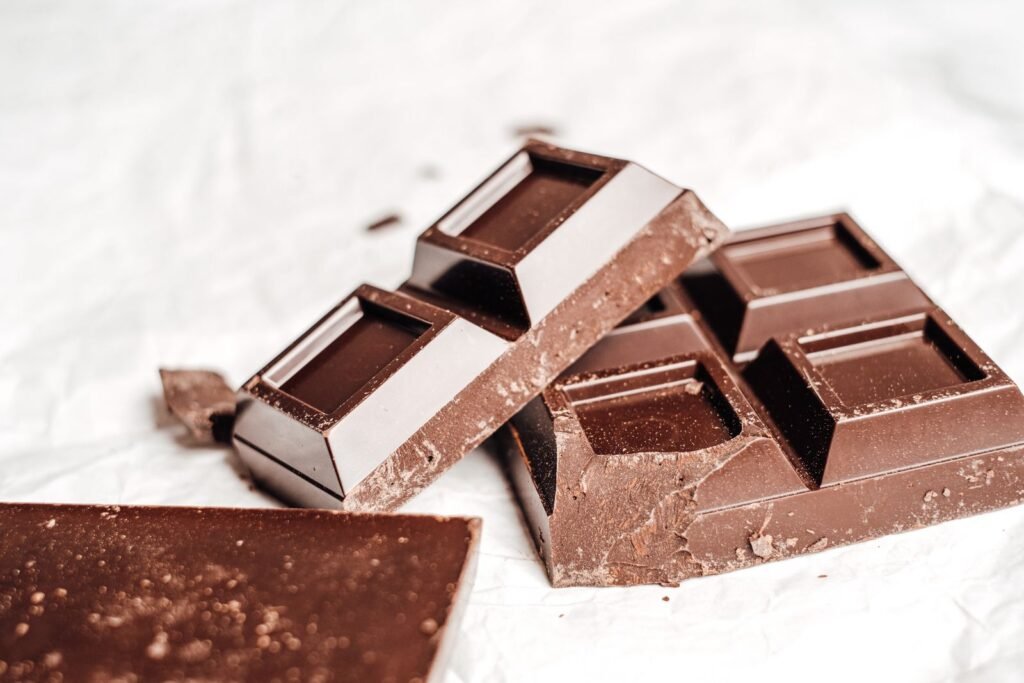
Theo is one of the original organic, fair-trade bean-to-bar makers in the U.S. Its 85% bar has no emulsifiers or soy. It is a comfortable middle step between a 72% bar and the 90%+ picks above.
Key specs (from the Amazon listing)
- 85% cacao; one 3 oz bar
- Ingredients: cocoa beans, cane sugar, cocoa butter, ground vanilla bean (organic, fair trade)
- Fair for Life Fair Trade Certified; organic and non-GMO
- Soy-free, vegan, Kosher
Pros
- Clean, emulsifier-free recipe
- Balanced flavor at 85%
- Strong sourcing credentials
Cons
- More sugar than the 90–95% bars
- Single bar, so stocking up costs more
- Listing shows limited stock
Best for: anyone moving up from 72% to darker chocolate.
4. Lily’s Extremely Dark 85%: best no-added-sugar bar
If you are watching sugar closely, Lily’s replaces it with stevia and erythritol, both of which appear on Dr. Gundry’s sweetener “yes” list, along with chicory root fiber (inulin). U.S. retail labels list unsweetened chocolate, erythritol, cocoa butter, chicory root fiber, stevia extract and vanilla extract.
One honest caveat: a 2023 study in Nature Medicine linked higher blood erythritol levels to a higher risk of heart attack and stroke and found that erythritol made platelets more prone to clotting in lab tests. The study does not prove that erythritol causes heart problems, but if you have cardiovascular risk factors, it is reasonable to keep erythritol-sweetened treats occasional and ask your doctor.
Key specs (from the Amazon listing and U.S. retail labels)
- 85% cocoa; 4-pack of 2.8 oz bars
- Sweetened with stevia (plus erythritol per the label); no added sugar
- 3 net carbs per serving (per listing); keto friendly
- Fair Trade, gluten-free and non-GMO ingredients
Pros
- No added sugar
- Smooth, approachable taste for an 85% bar
- Widely available
Cons
- Erythritol may be a concern for some people (see above)
- Inulin can cause gas or bloating in larger amounts
- Made on shared equipment with milk, peanuts, soy and tree nuts (per retail label)
Best for: sugar-conscious and keto-leaning lectin-free eaters.
5. Navitas Organics Cacao Nibs: best zero-sugar chocolate fix
Cacao nibs are crushed, roasted cacao beans with nothing added. They are not a melting chocolate, but Dr. Gundry likes sprinkling nibs on a square of extra-dark chocolate for a “crunch bar” effect, and they are great over berries, coconut yogurt or a smoothie bowl. Navitas specifically labels these nibs as non-alkalized.
Key specs (from the Amazon listing)
- 8 oz bag (76 servings per listing); unsweetened
- USDA Organic, Fairtrade, Non-GMO, gluten free, non-alkalized
- Keto, paleo and vegan
Pros
- No sugar at all
- Non-alkalized, whole-bean cacao
- Versatile topping
Cons
- Bitter and crunchy, not candy-like
- Will not melt for baking like chocolate
- Easy to overdo the caffeine if you eat handfuls
Best for: a no-sugar chocolate crunch and toppings.
6. Lindt Excellence 90%: easy to find, with a caveat
Lindt’s 90% bar is in nearly every grocery store, and it is very low in sugar (U.S. labels show 2 g of added sugar per serving). But the ingredient list includes cocoa powder processed with alkali, which is exactly the Dutch processing Dr. Gundry warns about. It is still far better than milk chocolate, and the alkalized cocoa is only one of several ingredients, but stricter followers will prefer the picks above.
Key specs (from the Amazon listing and U.S. retail labels)
- 90% cocoa; 3.5 oz bar (the listing also describes a 12-pack, so check the quantity before buying)
- Ingredients: chocolate, cocoa butter, cocoa powder processed with alkali, sugar, bourbon vanilla beans
- Kosher; may contain milk, soy and tree nuts
Pros
- Very low sugar
- Widely available and affordable
- Smooth texture for 90%
Cons
- Contains alkalized cocoa powder
- Not organic
- Cross-contact warning for milk and soy
Best for: a convenient backup when you cannot find a cleaner bar.
The worst chocolate for a lectin-free diet: label red flags
These are the bars to leave on the shelf, or at least save for rare occasions:
- Milk chocolate and “dark” bars under 72%: more sugar, more milk, fewer polyphenols.
- High-percentage bars with milk fat or soy lecithin: a high number on the front does not guarantee a clean back label. For example, Ghirardelli’s 92% Premium Dark lists milk fat, natural flavor and soy lecithin on its Amazon listing.
- “Cocoa processed with alkali” or “Dutch-process cocoa”: fine for flavor, but much of the flavanol content is lost.
- Peanut, crisped rice, cookie or caramel bars: peanuts, grains and corn syrup are all “no” foods.
- “Sugar-free” chocolate with maltitol: maltitol is not on Dr. Gundry’s list of approved sweeteners and often upsets digestion.
Buyer’s guide: how to pick a lectin-friendly chocolate bar
1. Start at 72% and work up
Dr. Gundry suggests starting around 72% and stepping up to 80, 85 and 90% as your taste adjusts. Higher percentages mean less room for sugar.
2. Read the back, not the front
The best bars have three to five ingredients: cacao or chocolate, cocoa butter, a sweetener and maybe vanilla. Skip anything with milk solids, soy lecithin, “artificial flavor” or “processed with alkali.”
3. Think about heavy metals
Consumer Reports testing has found measurable lead and cadmium in many dark chocolate bars, including well-known brands. The levels vary by brand and batch, and higher cacao can mean more cadmium. A sensible approach is to keep portions to about an ounce a day, rotate brands, and be more careful during pregnancy or with children. ConsumerLab covers practical ways to reduce exposure in the video below.
4. Keep portions modest
Dr. Gundry talks about a one-ounce piece of extra-dark chocolate, not a whole bar. Pair it with a few lectin-free snacks like macadamias, or enjoy it after dinner with a cup of clean, organic coffee.
5. Store it right
Keep chocolate cool and dry (around 60–68°F). Warm storage causes “bloom,” white streaks of fat or sugar that are harmless but change the texture.
Dark chocolate and lectins: FAQ
Is dark chocolate lectin-free?
Dr. Gundry includes dark chocolate of 72% cacao or more on his “yes” list. What usually makes a bar a poor fit is milk, soy lecithin, alkalization, sugar or add-ins like peanuts, not the cacao itself.
How much dark chocolate can I eat on the Plant Paradox?
Dr. Gundry generally talks about one ounce a day. That also keeps calories, caffeine and heavy-metal exposure in check.
Is Dutch-processed cocoa bad?
It is not harmful, but alkalization lowers flavanol content. If you are eating chocolate partly for polyphenols, choose natural (non-alkalized) cocoa and bars without “processed with alkali” on the label.
Which sweeteners are OK in lectin-free chocolate?
Dr. Gundry’s list includes stevia, monk fruit, inulin, yacon, erythritol and xylitol. Keep in mind the 2023 erythritol research above, and remember that xylitol is toxic to dogs, so keep those bars away from pets.
Is cacao the same as cocoa?
The words are often used interchangeably. “Cacao” usually refers to less-processed beans and nibs, while “cocoa” often means roasted powder. The label detail that matters most is whether it was processed with alkali.
Bottom line
For a lectin-free plan, our top pick is Alter Eco Super Blackout 90%: four organic ingredients, no milk, no soy and no alkali. Choose Taza Wicked Dark 95% for minimal processing, Theo 85% to step up from 72%, Lily’s if you need no added sugar, and Navitas nibs for a zero-sugar crunch. Read the back label, keep it to about an ounce, and remember: more bitter, more better.
Dr. Steven Gundry is not affiliated with this site. This post reflects our own reading of his published food lists and videos.