Best Coffee for a Lectin-Free Diet (2026): Organic, Low-Mold and Low-Acid Picks
Affiliate disclosure: My Lectin Free Lunchbox may earn a commission from qualifying purchases, including as an Amazon Associate, at no extra cost to you.
This article is for informational purposes only and is not medical advice. Talk with your clinician before changing your diet, caffeine intake or supplements, especially if you are pregnant, have a heart condition, or take medication.
If you are following a Dr. Gundry–inspired, lectin-aware plan, you can usually keep your morning coffee. Coffee beans are not one of the big lectin sources, and Dr. Gundry often describes coffee as a polyphenol-rich drink. Harvard’s Nutrition Source likewise lists polyphenols such as chlorogenic acid among coffee’s plant compounds. So the question is not whether to drink coffee, but which coffee — and what you put in it.
This guide covers organic, specialty-grade and lab-tested (“low-mold”) coffees you can buy on Amazon, plus one clean decaf. I have not run my own lab tests or a blind tasting of every bag. Product claims below come from live Amazon listings checked on November 10, 2026, and I have tried to flag where a claim is brand marketing rather than settled science.
Watch: Dr. Gundry on coffee
Quick picks: best coffee for a lectin-free diet
| Pick | Best for | Roast / form | Testing & certifications (per listing) | Link |
|---|---|---|---|---|
| Purity Coffee PROTECT | Best high-antioxidant pick | Light-medium, ground | USDA Organic; third-party tested for mold, mycotoxins, pesticides | Check price on Amazon |
| Lifeboost Medium Roast | Best low-acid organic | Medium, ground | USDA Organic; 3rd-party tested for mycotoxins, heavy metals, pesticides | Check price on Amazon |
| Natural Force Clean Coffee | Best for published lab results | Medium, ground | USDA Organic; tested for mold, mycotoxins, acrylamide, heavy metals | Check price on Amazon |
| Bulletproof The Original | Best widely available “clean coffee” | Medium, ground | Rainforest Alliance; additional toxin testing on green beans | Check price on Amazon |
| Kicking Horse Three Sisters | Best budget organic | Medium, ground | Certified Organic, Fairtrade, Kosher | Check price on Amazon |
| Mount Hagen Organic Decaf | Best decaf (instant) | Freeze-dried instant | USDA Organic, Fair Trade; water + CO2 decaf | Check price on Amazon |
What makes coffee a good fit for a lectin-free plan?
- Organic and specialty-grade beans — fewer pesticide residues and fewer defective beans, which is where quality problems tend to concentrate.
- Lighter roasts — roasting breaks down some chlorogenic acids, so light and medium roasts generally retain more of them than very dark roasts.
- Lab testing for mycotoxins — molds can produce compounds like ochratoxin A on green coffee. Roasting and good processing reduce them, and commercial coffee is regulated, so testing is best seen as extra reassurance rather than proof that untested coffee is unsafe.
- No additives — skip flavored coffees with “natural flavors,” sugar or creamer powders mixed in.
1. Purity Coffee PROTECT — best high-antioxidant coffee
Purity Coffee builds its whole brand around “health-first” coffee, and PROTECT is its highest-antioxidant roast. It is a light-medium, honey-processed Arabica roasted to preserve chlorogenic acids, and it is third-party tested for contaminants. If you want a coffee that lines up with the polyphenol message you hear from Dr. Gundry, this is the most on-theme pick here. Prefer a more classic flavor? Purity’s FLOW medium roast is the everyday alternative.
Key specs (from the Amazon listing)
- Light-medium roast, ground, 12 oz bag; honey-processed Arabica
- Marketed as roasted to preserve chlorogenic acids and the coffee-lipid diterpenes cafestol and kahweol
- USDA Organic, specialty-grade; Rainforest Alliance and Smithsonian Bird Friendly
- Third-party lab tested for mold, mycotoxins and pesticides
- Nitrogen-flushed bags for freshness; tasting notes of toasted hazelnut and brown spice
Pros
- Most polyphenol-focused coffee on the list
- Strong sourcing and testing story
- Light roast flavor is bright but not sour
Cons
- Premium price per ounce
- Light roasts are not for dark-roast fans
- Note: diterpenes are the same compounds that can raise LDL in unfiltered brews — use a paper filter if cholesterol is a concern
Best for: health-focused coffee drinkers who want maximum antioxidants.
2. Lifeboost Medium Roast — best low-acid organic coffee
Lifeboost is a single-origin, shade-grown Central American coffee marketed as low acid. If regular coffee bothers your stomach, a low-acid bean is worth trying. Beans are sun-dried and spring-water washed, and the brand says each lot is third-party tested for mycotoxins, heavy metals and pesticides.
Key specs (from the Amazon listing)
- Medium roast, ground, 12 oz
- Single origin, shade grown at high elevation in Central America
- USDA Organic; Non-GMO
- 3rd-party tested for mycotoxins, heavy metals, pesticides and “400 other toxins” (brand claim)
- 30-day satisfaction promise
Pros
- Smooth, low-acid profile many sensitive stomachs prefer
- Organic and tested
- Available in several roasts and decaf
Cons
- One of the pricier bags per ounce
- “Low acid” is not a regulated term
- Heavy marketing language — judge by taste
Best for: coffee drinkers with sensitive stomachs.
3. Natural Force Clean Coffee — best for transparent lab testing
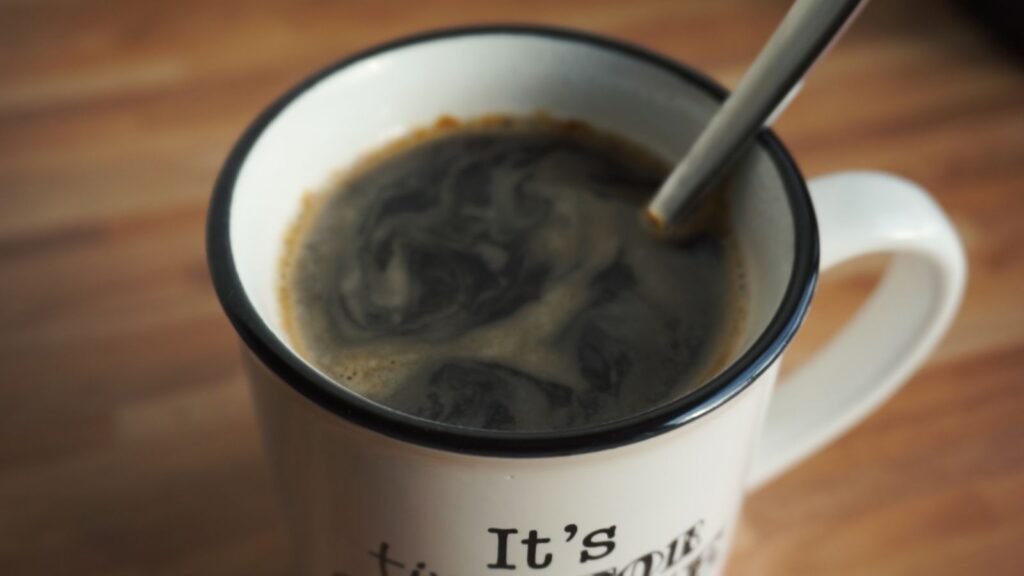
Natural Force calls this “clean coffee” and says it shares its third-party lab results, testing for mold, mycotoxins (ochratoxin A and aflatoxin), acrylamide, heavy metals and gluten. It is USDA Organic and marketed as high in chlorogenic acid and low in acid. Its marketing makes strong claims about how much regular coffee is contaminated; I would treat those as marketing, but the published testing is a genuine plus.
Key specs (from the Amazon listing)
- Organic medium roast, ground, 10 oz bag
- Third-party tested for mold, mycotoxins, acrylamide, heavy metals and gluten
- Marketed as high CGA (chlorogenic acid) and low acidity
- USDA Organic; Paleo and vegan certifications listed
Pros
- Testing information is a focus of the brand
- Organic, smooth medium roast
- Also sold as whole bean and Swiss Water decaf
Cons
- Smaller 10 oz bag
- Some health claims on the listing go beyond the evidence
- Premium price
Best for: shoppers who want to see lab testing before they buy.
4. Bulletproof The Original — best widely available clean coffee
Bulletproof helped make “clean coffee” a mainstream idea. The Original medium roast uses Rainforest Alliance Certified beans with specialty-grade cup scores, and the company says it does additional toxin testing on every shipment of green coffee. It is easier to find (and usually cheaper) than smaller health-coffee brands.
Key specs (from the Amazon listing)
- Medium roast, ground, 12 oz
- Rainforest Alliance Certified farms
- Additional toxin testing on each shipment of green beans
- Specialty Coffee Association grading; notes of plum, orange, cinnamon and cocoa
Pros
- Familiar, balanced flavor
- Widely available and reasonably priced
- Testing built into sourcing
Cons
- Not USDA Organic (per this listing)
- Testing details are less specific than some rivals
- Medium roast only in this bag
Best for: an easy upgrade from supermarket coffee.
5. Kicking Horse Three Sisters — best budget organic coffee
Not every good coffee needs a “biohacking” label. Kicking Horse is a Canadian roaster that uses only organic, Fairtrade, 100% Arabica beans with no additives, preservatives or flavoring. Three Sisters is its well-rounded medium roast with stone fruit and cocoa notes, ground medium-fine for French press, drip or pour-over.
Key specs (from the Amazon listing)
- Medium roast, ground, 10 oz
- Certified Organic, Fairtrade, Kosher; 100% Arabica
- Roasted in the Canadian Rocky Mountains; one ingredient only: coffee
- Ground medium-fine — suited to French press, drip, pour-over and cold brew
Pros
- Organic at a friendlier price
- Great flavor for daily drinking
- No additives
Cons
- No specific mycotoxin testing claims on the listing
- Smaller 10 oz package
- Grind is not ideal for espresso
Best for: budget-minded families who still want organic.
6. Mount Hagen Organic Decaf — best decaf
Afternoon coffee without the sleep hit is a real quality-of-life win. Mount Hagen is a freeze-dried instant decaf made from organic, Fair Trade Arabica from Papua New Guinea. It is decaffeinated with a natural water and CO2 process rather than chemical solvents, according to the listing, and dissolves in hot or cold water — handy for travel or the office.
Key specs (from the Amazon listing)
- Freeze-dried instant decaf, 3.53 oz jar
- 100% Arabica from Papua New Guinea
- Natural water + CO2 decaffeination; removes 99.99% of caffeine (brand claim)
- USDA Organic and Fair Trade; no additives or preservatives
Pros
- Solvent-free decaf process
- Instant — no brewer needed
- Good for evenings and travel
Cons
- Instant coffee will not match fresh-brewed flavor
- Small jar
- Not a whole-bean option
Best for: evening coffee and caffeine-sensitive drinkers.
Buyer’s guide: choosing coffee on a lectin-free diet
1. Organic first, then testing
USDA Organic is the easiest baseline to verify. Mycotoxin testing is a helpful extra, especially from brands that publish results, but remember that roasting and normal quality control already reduce these compounds in most commercial coffee.
2. Choose your roast for polyphenols and taste
Light and medium roasts generally keep more chlorogenic acids than very dark roasts. Dr. Gundry’s team covers the light-vs-dark question in the video above. Pick the roast you will actually enjoy drinking.
3. Brew it the right way for you
Paper-filtered methods remove most of the diterpenes that can raise LDL cholesterol, according to Harvard’s Nutrition Source; French press keeps them. See our best coffee makers and tea makers for a lectin-free kitchen for glass, ceramic and stainless brewers.
4. Keep the add-ins clean
Skip sugar, flavored syrups and conventional dairy creamers. Try unsweetened almond or coconut milk — see our almond milk brands guide — or simply drink it black.
5. Mind the caffeine
Harvard notes that an 8-ounce cup of brewed coffee has about 95 mg of caffeine and defines moderate intake as about 3–5 cups a day (up to about 400 mg). Less is better if you have trouble sleeping, are pregnant or have a heart condition — ask your clinician.
Lectin-free coffee FAQ
Is coffee lectin-free?
Coffee is not considered a meaningful lectin source and is generally allowed on Dr. Gundry’s Plant Paradox–style plan. The concerns are usually additives, not the beans.
Do I really need “mold-free” coffee?
Not necessarily. Lab-tested coffee is a reasonable choice if it gives you peace of mind, but the evidence that ordinary specialty coffee causes harm from mycotoxins is limited. Organic, fresh, well-stored beans are the bigger day-to-day win.
Is light roast healthier than dark roast?
Light roasts generally retain more chlorogenic acids, while dark roasts can be easier on some stomachs. Both can fit a healthy diet.
Is decaf OK?
Yes. Look for water-process or CO2-process decaf (like Mount Hagen or a Swiss Water decaf) if you want to avoid chemical-solvent decaffeination.
What should I put in my coffee?
Black, or with unsweetened almond or coconut milk. Avoid sugar, syrups and conventional dairy creamers on a strict plan.
Did you lab-test these coffees?
No. This guide relies on each brand’s listing and certifications. We flag marketing claims where we think they go further than the evidence.
Final recommendation
For the most polyphenol-focused cup, start with Purity Coffee PROTECT. If your stomach is sensitive, try Lifeboost low-acid medium roast. Want lab results? Go with Natural Force. Bulletproof is the easy, familiar upgrade, Kicking Horse is the budget organic pick, and Mount Hagen covers your decaf. Brew with a paper filter if cholesterol is a concern, keep the add-ins simple, and enjoy your coffee.
More lectin-aware pantry guides: lectin-free snacks, lectin-free protein powder, and bone broth powders.