Best Lectin-Free Pasta and Noodles (2026 Buyer’s Guide)
Affiliate disclosure: My Lectin Free Lunchbox may earn a commission from qualifying purchases, including as an Amazon Associate, at no extra cost to you.
This article is for informational purposes only and is not medical advice. Talk with your clinician before changing your diet, especially if you have a diagnosed condition or take medication.
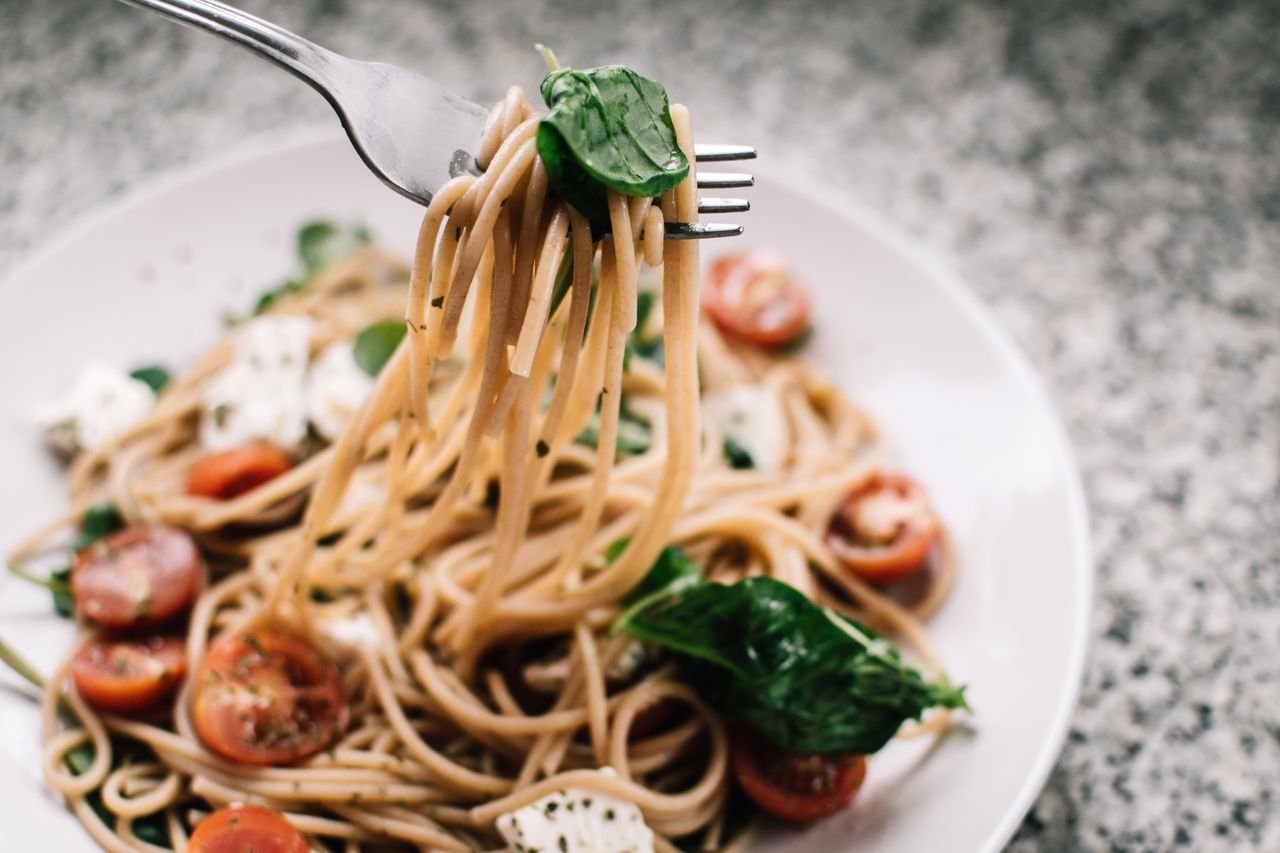
Traditional wheat pasta is a lectin heavyweight: gluten-containing grains sit near the top of most Plant Paradox–style “avoid” lists. The good news for pasta night is that Amazon now carries several noodle swaps that skip wheat and often skip legumes too — cassava, konjac/shirataki, hearts of palm, almond flour and properly prepared lupin. This guide sticks to those lanes and skips chickpea, lentil and conventional rice pastas that many lectin-conscious eaters still limit.
I have not personally cooked every pack below in a controlled taste test for this article. Product details come from live Amazon listings checked on November 9, 2026. Always read the ingredient label on the box you receive — formulas change.
Watch: lectin-friendly noodle swaps
Quick picks: best lectin-free pasta and noodles
| Pick | Best for | Base ingredient | Format | Link |
|---|---|---|---|---|
| Jovial Cassava Variety | Best classic pasta texture | Organic cassava flour + water | Dry pasta 3-pack variety | Check price on Amazon |
| Miracle Noodle Variety | Best nearly zero-calorie bag noodles | Konjac (shirataki) | Ready-to-eat 8-pack variety | Check price on Amazon |
| Palmini Variety Pouches | Best veggie “pasta” pouches | Hearts of palm | Linguine / angel hair / lasagna / rice / mashed | Check price on Amazon |
| Aviate Lupini Rotini | Best high-protein dry pasta | Lupin flour | Dry rotini 3-pack | Check price on Amazon |
| Kaizen Fusilli | Best grocery-aisle style lupin pasta | Lupin bean | Dry fusilli 3-pack | Check price on Amazon |
| Cappello’s Almond Gnocchi | Best refrigerated almond-flour comfort food | Almond flour–based gnocchi | Frozen / refrigerated 12 oz | Check price on Amazon |
“Lectin-free” on a label is still a marketing phrase. The picks above are chosen because their primary ingredients are generally friendlier on a Dr. Gundry–inspired plate than wheat, corn or uncooked beans. Individual tolerance varies — introduce one new product at a time.
1. Jovial Grain-Free Cassava Pasta Variety — best wheat-like dry pasta
Jovial’s grain-free cassava line is the closest “real pasta night” experience on this list for many people. The variety pack uses organic cassava flour and water, is pressed in Italy, and the brand markets it as free from gluten, grains, legumes, gums and lectin. If you miss penne-or-spaghetti texture with red sauce, start here rather than with shirataki.
Key specs (from the Amazon listing)
- Organic cassava flour + water; USDA Organic and Non-GMO Project Verified language
- Grain-free / gluten-free / legume-free marketing; brand states tested for glyphosate
- Variety pack with multiple shapes (listing highlights orzo among others; confirm current mix on the pack you buy)
- Made in Italy; bronze-die / slow-dry quality language
- About 8 oz per shape in a 3-pack configuration (24 oz total unit count on listing)
Pros
- Cooks more like traditional pasta than konjac bags
- Simple ingredient list
- Widely recommended in grain-free communities
Cons
- Higher carbs than shirataki or Palmini — cassava is still a starch
- Price per ounce is above supermarket wheat pasta
- Overcooking turns cassava pasta mushy fast — watch the pot
Best for: family pasta night when you want forks, not pouch noodles.
2. Miracle Noodle Ready-to-Eat Variety — best konjac / shirataki swap
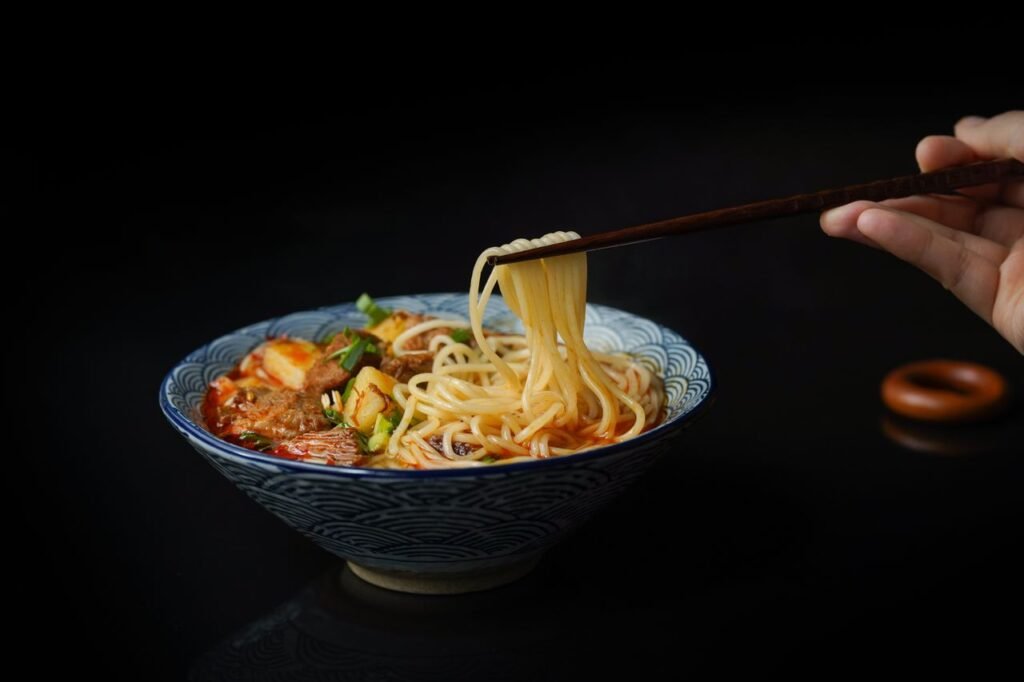
Shirataki (konjac) noodles are mostly water and glucomannan fiber. Miracle Noodle’s ready-to-eat variety pack stacks angel hair, fettuccine, spaghetti and rice-style pouches with about 5 calories and 1 g net carb per serving on the listing. They are a different experience from durum wheat — rinse well, dry-sauté to reduce the konjac aroma, then sauce aggressively.
Key specs (from the Amazon listing)
- 8 × 7 oz ready-to-eat pouches; angel hair, fettuccine, spaghetti and rice styles
- Konjac root base; vegan, grain-free, gluten-free
- About 5 calories and 1 g net carb per serving (listing)
- Drain and heat prep — no long boil required
Pros
- Extremely low calorie / carb for volume eating
- Shelf-stable pouches travel well
- No wheat or legume flour
Cons
- Texture is springy/gelatinous — not identical to wheat
- Konjac smell if you skip the rinse/dry-fry step
- Some people get GI upset from large glucomannan servings — start small
Best for: low-carb pasta cravings and quick lunches.
3. Palmini Hearts of Palm Variety — best vegetable pouch pasta
Palmini (famous from Shark Tank coverage) turns hearts of palm into linguine, angel hair, lasagna sheets, rice and mashed pouches. The variety pack is a low-carb, gluten-free way to build a plate around plants instead of flour. Flavor is mild and slightly vegetal — think of it as a noodle-shaped vegetable that carries sauce, not as a carbon-copy of spaghetti.
Key specs (from the Amazon listing)
- Hearts of palm pasta / rice / mashed variety pouches (~12 oz class pouches)
- About 4 g carbs per serving language on listing; gluten-free, sugar-free marketing
- Includes linguine, angel hair, lasagna, rice and mashed styles in the variety set
- Ready to rinse and heat
Pros
- Vegetable-based, not a starch flour noodle
- Convenient pouches
- Lasagna sheets are useful for layered bakes without wheat
Cons
- Hearts-of-palm taste is noticeable under light sauces
- Softer bite than dry Italian pasta
- Pouch sodium can be higher — rinse if you are watching salt
Best for: keto-leaning or veggie-forward pasta swaps.
4. Aviate Lupini Rotini — best high-protein dry noodle
Lupin (lupini) beans show up on many lectin-aware lists when they are prepared properly; Aviate turns lupin flour into a dry rotini with about 20 g protein, 19 g fiber and 3 g net carbs per serving on the listing. That macros profile is why lupin pastas exploded in keto and high-protein circles. Note the peanut allergen advisory on the listing — lupin can cross-react for some peanut-allergic people.
Key specs (from the Amazon listing)
- Lupin flour pasta; gluten-free, vegan, keto-friendly marketing
- ~3 g net carbs, ~20 g protein, high fiber per serving (listing)
- Rotini shape; 8 oz bags in a pack of 3
- Peanut allergen information listed — take seriously if you have peanut allergy
Pros
- Macros closer to a protein side than a starch bomb
- Dry pasta format familiar to cook
- Plant-based
Cons
- Lupin allergy / peanut cross-reactivity risk
- Taste and foam while boiling differ from wheat
- Premium price vs commodity pasta
Best for: high-protein pasta salads and meat-sauce dinners when lupin agrees with you.
5. Kaizen Fusilli — best lupin pasta with a classic box feel
Kaizen’s fusilli is another lupin-bean pasta aimed at people leaving chickpea and lentil noodles behind. The listing highlights about 6 g net carbs and 20 g protein per 2 oz serving, a 4–6 minute boil, and a texture closer to traditional pasta than shirataki. Same lupin allergen caution as Aviate.
Key specs (from the Amazon listing)
- Lupin-based, gluten-free, plant-based dry fusilli
- ~6 g net carbs and ~20 g protein per 2 oz serving (listing)
- Three 8 oz boxes per order; ~4 servings per box
- Boil 4–6 minutes; foaming in the pot is called out as normal
Pros
- Familiar spiral shape for pesto and baked dishes
- High protein without chickpea flour
- Cooks quickly
Cons
- Lupin allergen
- Can foam / stick if you under-stir
- Still not identical to semolina
Best for: meal-prep pasta when you want protein and a dry-box workflow.
6. Cappello’s Almond Flour Gnocchi — best almond-flour comfort bite
Cappello’s built a following on almond-flour pastas that live in the freezer case. The gluten-free gnocchi is a comfort-food option when you want pillowy bites with brown butter, sage or a clean tomato sauce. Because it is almond-based rather than grain- or legume-based, it fits a different lectin-aware niche than cassava or konjac — and it cooks more like refrigerated gnocchi than dry spaghetti.
Key specs (from the Amazon listing)
- Gluten-free gnocchi; 12 oz package
- Almond-flour style Cappello’s product line (confirm the ingredient panel on your pack)
- Sold frozen / refrigerated — watch ship temperatures in summer
Pros
- Comfort texture many grain-free eaters miss
- Almond base instead of wheat or chickpea
- Quick cook from frozen
Cons
- Not a long-strand spaghetti substitute
- Tree-nut allergy issue
- Shipping thawed product is a risk in hot weather
Best for: special-occasion pasta plates and brown-butter nights.
Buyer’s guide: shopping pasta on a lectin-aware diet
1. Prefer these bases
Cassava, konjac/shirataki, hearts of palm, almond flour and (if you tolerate them) prepared lupin products are the main Amazon-friendly swaps. Pressure-cooked beans are a different strategy than dry chickpea pasta — this article focuses on ready pasta products, not DIY bean pasta.
2. Be careful with “protein pasta” marketing
Many high-protein boxes are chickpea, lentil or pea pasta. Those can be convenient, but they are still legumes. If you are following a stricter Plant Paradox–style approach, read the front of the box before the macros impress you.
3. Sauce matters as much as noodles
A perfect cassava spaghetti with a sugar-heavy jarred sauce and cheese overload can still leave you feeling awful. Pair these noodles with lectin-conscious sauces — think olive oil, fresh herbs, pasture-raised meats, and tomato products you personally tolerate (many people prefer peeled/seeded or pressure-cooked tomato options; choose what your clinician and your body support).
4. Cook times are shorter
Grain-free and konjac products usually want less time in water than durum wheat. Start early taste tests so you do not end up with mush.
How to cook grain-free noodles so they actually taste good
Most disappointment with lectin-friendly pasta is technique, not the brand. A few habits transfer across cassava, konjac, hearts of palm and lupin:
- Salt the water for dry pastas (Jovial, Aviate, Kaizen) the way you would for Italian pasta — under-seasoned water makes grain-free noodles taste cardboard-flat.
- Pull early. Start tasting 1–2 minutes before the box time. Cassava and lupin go from firm to soft quickly.
- Sauce in the pan. Transfer noodles into a skillet of warm sauce with a splash of cooking water so starch (or surface moisture) helps the sauce cling.
- For shirataki: rinse 60–90 seconds, drain hard, then dry-fry with no oil until steam quiets. Then oil and sauce.
- For Palmini: rinse if you want less brine, pat dry, and pair with bold sauces (garlic, herbs, meat ragu) rather than plain butter alone.
- Batch smart. Cook only what you will eat. Leftover konjac and hearts-of-palm noodles keep, but dry grain-free pastas often harden oddly in the fridge.
If a new noodle bothers your gut, stop and retry a smaller portion another day — or switch bases. Cassava, konjac and lupin are not interchangeable for every digestive system.
Lectin-free pasta FAQ
Is chickpea pasta lectin-free?
Chickpeas contain lectins. Some people eat pressure-cooked beans; boxed chickpea pasta is not the same as a pressure-cooked preparation. This guide steers toward non-legume or lupin-specific options instead.
Is rice pasta OK?
White and brown rice are limited or avoided on many lectin-aware plans. We did not feature rice pasta here for that reason.
Why do shirataki noodles smell fishy?
That is common with konjac packing liquid. Rinse thoroughly under cold water for a minute or two, then dry-sauté in a nonstick pan before saucing.
Can kids eat these?
Many are fine as foods, but texture rejection is real. Cassava pasta and almond gnocchi usually win kid tests more often than plain shirataki. This is not medical advice for pediatric diets.
What about egg noodles?
Conventional egg noodles are still wheat. Look for specialty grain-free egg pastas only if the label confirms a non-wheat base you accept.
Did you taste-test every brand blind?
No. This is a label-and-category buyer’s guide for lectin-aware shoppers, not a claim of hands-on kitchen testing of every ASIN.
Final recommendation
Start with Jovial cassava if you want a normal pasta dinner, Miracle Noodle or Palmini if you want ultra-light pouch noodles, and Aviate or Kaizen if you tolerate lupin and want protein. Keep Cappello’s gnocchi for the nights you miss soft Italian comfort food — and remember none of this replaces personalized medical or nutrition advice.
For more lectin-aware kitchen picks, see our guides to lectin-free bread, lectin-free snacks, and lectin-free protein powder.