Best Lectin-Free Tomato and Pasta Sauce (2026): Nomato, Passata and Pesto Picks
Affiliate disclosure: My Lectin Free Lunchbox may earn a commission from qualifying purchases, including as an Amazon Associate, at no extra cost to you.
This article is for informational purposes only and is not medical advice. Talk with your clinician before making big changes to your diet, especially if you are managing an autoimmune, kidney or digestive condition.
Pasta night is one of the hardest habits to give up on a lectin-free plan, and the sauce is usually the problem, not the noodles. If you already swapped to cassava, shirataki or hearts of palm (see our lectin-free pasta and noodles guide), the next question is what to pour on top.
Here is the honest answer. Tomatoes are a nightshade, and Dr. Steven Gundry puts them on his “no” list in The Plant Paradox. His one big exception is how you prepare them. On the Gundry MD blog he says that if you must eat tomatoes, you should peel them and remove all the seeds, because that is where he says most of the lectins sit. Gundry MD has also said that pressure cooking helps reduce lectins in canned tomatoes. So a lectin-free pasta sauce falls into one of three groups:
- “Nomato” sauces made from carrots, beets and squash, with no tomato at all
- Strained tomato passata, where skins and seeds are sieved out, which you season yourself or pressure-cook
- Pesto made with olive oil, basil and pine nuts instead of seed oils and cashews
This guide covers seven jars and cartons on Amazon across all three groups. We have not taste-tested these products for this review. Ingredients and specs below come from the live Amazon listings, checked on November 13, 2026. Labels change, so always read the jar before you buy.
Watch the Quick Video Guide
Quick picks: best lectin-free pasta sauces
| Sauce | Type | Best for | Base ingredients (per listing) | Link |
|---|---|---|---|---|
| Nomato Original Marinara | Tomato-free | Best overall nomato | Carrots, beets, onion, garlic, lemon, basil | Check price on Amazon |
| CARINARA Tomato-Free Pasta Sauce | Tomato-free | Cleanest label, made with olive oil | Carrots, onion, Italian olive oil, garlic, basil | Check price on Amazon |
| KC Natural Carrot Marinara | Tomato-free | Tangy, small-batch AIP sauce | Carrots, beets, tart cherries, balsamic, EVOO | Check price on Amazon |
| Nada Mato Marinara Style | Tomato-free | Closest tomato look-alike | Vegetables, date syrup, Celtic sea salt (brand) | Check price on Amazon |
| Pomì Strained Tomatoes | Strained passata | Best DIY base for a peeled, deseeded sauce | Tomatoes | Check price on Amazon |
| Mutti Passata | Strained passata | Best passata in glass | Tomatoes, Mediterranean sea salt | Check price on Amazon |
| Alessi Pesto di Liguria | Pesto | Best jarred pesto | Basil, EVOO, Pecorino Romano, pine nuts | Check price on Amazon |
Why tomato sauce is tricky on a lectin-free diet
Tomatoes really do contain a lectin. Researchers at New York University isolated and described it in 1980. They found it resisted acid and digestive enzymes, and in a companion survey of 88 common foods (American Journal of Clinical Nutrition) they reported lectin-like activity in about a third of them, including salad ingredients. That survey did not show that these lectins harm people. The authors wrote that the nutritional effects “remain to be determined.”
For balance, Harvard’s Nutrition Source notes that lectins are most potent raw, that wet high-heat cooking like boiling or stewing can inactivate most of them, and that there is “very limited research in humans” on dietary lectins and long-term health. So a slow-simmered sauce is already very different from a raw tomato. Dr. Gundry goes further and recommends removing the skin and seeds too. If you follow his plan, or tomatoes simply don’t agree with you, the options below give you a way to keep pasta night.
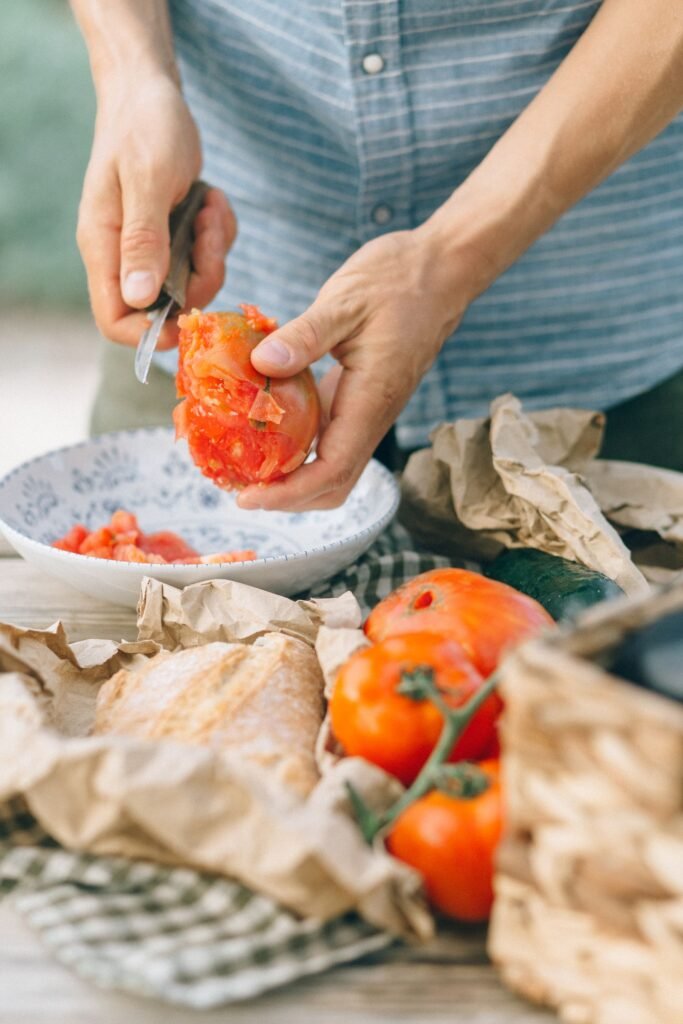
Watch: how Dr. Gundry peels and deseeds tomatoes
1. Nomato Original Tomato-Free Marinara: best overall nomato sauce
Nomato is one of the longest-running tomato-free sauces, and the ingredient list is refreshingly plain. It is built on carrots and beets, with onion, garlic and lemon juice for the tang tomatoes would usually bring, then finished with basil and oregano. The beets give it a red color, so it looks like marinara on the plate. The brand pitches it as an all-purpose “marinara ketchup” for pasta, pizza, soups, chili, stews and meatballs.
Key specs (from the Amazon listing)
- Ingredients: carrots, water, beets, onion, garlic, sea salt, lemon juice concentrate, ascorbic acid, beet juice concentrate, citric acid, basil, oregano
- 24 oz bottle (also sold as a 2-pack)
- Tomato-free, gluten-free, dairy-free and nut-free; Kosher
- Made by Norine’s Corp
Pros
- No tomato, no peppers and no added sugar in the ingredient list
- Short, recognizable ingredients
- Large bottle that works for pasta, pizza and soups
Cons
- Premium price compared with regular marinara
- No oil in the recipe, so it tastes leaner until you add your own
- Carrots and beets make it naturally a little sweet
Tip: warm it with a few spoonfuls of good extra virgin olive oil and fresh garlic. It fills in the richness and adds polyphenols. See our best olive oils for a lectin-free diet.
Best for: anyone who wants a simple red sauce with no tomato at all.
2. CARINARA Tomato-Free Pasta Sauce: cleanest label
CARINARA is a newer carrot-based marinara alternative. What stands out for a Gundry-style kitchen is that it is made with Italian olive oil and lists no added sugar. The brand markets it as low-acid and gentle on digestion, which also makes it popular with people avoiding tomatoes because of reflux.
Key specs (from the Amazon listing)
- Ingredients: water, fresh whole carrots, onion, Italian olive oil, garlic, salt, basil, vitamin C (ascorbic acid), oregano, black pepper
- 25 oz jar
- Vegan, gluten-free; no added sugar, preservatives or fillers (per brand)
- Suggested for pasta, pizza, dipping and as a recipe base
Pros
- Olive oil instead of seed oils
- No added sugar
- Black pepper is not a nightshade, so it still fits a nightshade-free plan
Cons
- Newer brand with less of a track record
- Carrot flavor is more noticeable than in beet-heavy sauces
- Low-acid recipe may taste mild if you are used to tangy tomato sauce
Best for: label readers who want olive oil and no sugar in a ready-made jar.
3. KC Natural Carrot Marinara: best tangy small-batch sauce
KC Natural makes a whole line of nightshade-free condiments in Kansas City, and its Carrot Marinara is a favorite in the paleo and AIP (autoimmune protocol) crowd. Tart cherries and balsamic vinegar give it a deeper, tangier flavor than most nomato sauces, and it is finished with extra virgin olive oil, rosemary and thyme. The brand says its facility does not make gluten-containing products.
Key specs (from the Amazon listing)
- Ingredients: water, carrots, beets, tart cherries, balsamic vinegar, fresh garlic, coconut sugar, molasses, sea salt, granulated garlic, granulated onion, extra virgin olive oil, basil, rosemary, thyme
- 16 oz jar
- Tomato- and nightshade-free, paleo and AIP friendly, non-GMO
- Allergen note on the listing: may contain tree nuts
Pros
- Most tomato-like tang of the carrot-based sauces
- Made with extra virgin olive oil
- Brand also sells a “Traditional Style” version and a combo pack
Cons
- Contains coconut sugar and molasses, so it is not sugar-free
- Small 16 oz jar for the price
- Tree-nut cross-contact warning
Best for: people who miss the acidity of real marinara and don’t mind a little added sweetener.
4. Nada Mato Marinara Style: closest tomato look-alike
Nada Mato’s whole pitch is a tomato-free marinara with the “same flavor profile, texture and appearance” as the real thing. The company says it makes its sauces in small batches from vegetables, with date syrup and Celtic sea salt, and without refined sugar, gluten, soy, dairy or preservatives.
Key specs (from the Amazon listing)
- 16 oz jar (also sold in 2-, 3- and 4-packs)
- Tomato- and nightshade-free; paleo and AIP friendly
- No refined sugar; gluten-free
- Made by Totally Tomatoless Foods
Pros
- Designed to look and eat like a classic marinara
- No refined sugar
- Good choice for family dinners where not everyone is lectin-free
Cons
- The full ingredient list is not printed on the Amazon listing, so check the jar photos or label
- Sweetened with date syrup (per the brand)
- Small jar
Best for: converting tomato-sauce lovers who want the most familiar look and texture.
5. Pomì Strained Tomatoes: best base for a peeled-and-deseeded sauce
If you still want real tomato flavor, passata is the closest store-bought match to the way Dr. Gundry says his mother made sauce. Passata is a smooth puree that is passed through a sieve to strain out skins and seeds. Pomì’s strained tomatoes are an Italian passata with one ingredient, tomatoes, packed in a carton instead of a can. To be clear, Pomì does not market this as “lectin-free,” and straining removes skins and seeds rather than every trace of lectin. Many lectin-free cooks still use it as their tomato base, and you can pressure-cook it for extra peace of mind.
Key specs (from the Amazon listing)
- Ingredients: tomatoes
- 26.4 oz carton; BPA-free packaging
- Gluten-free, non-GMO, Kosher certified
- Product of Italy; an organic version is also sold
Pros
- Single ingredient, no salt, no citric acid
- Smooth, so it is ready for sauce or soup in minutes
- Carton, not a can
Cons
- It is still a nightshade, so strict elimination phases should skip it
- Not a finished sauce; you season it yourself
- Avoid “rustica” style passatas, which keep some peel and seeds for texture
Best for: cooks who tolerate tomatoes when skins and seeds are gone and want to build their own sauce.
6. Mutti Passata: best passata in glass
Mutti is one of Italy’s best-known tomato brands, and its passata is a smooth, strained puree with just tomatoes and sea salt. It comes in a glass bottle, which some shoppers prefer over cartons and cans. Like Pomì, it is a strained tomato product, not a certified lectin-free food, so treat it as a lower-lectin tomato option for people who have reintroduced tomatoes.
Key specs (from the Amazon listing)
- Ingredients: tomatoes, Mediterranean sea salt
- 24.5 oz glass bottle
- Non-GMO, preservative-free, gluten-free; vegan and Kosher
- Smooth, velvety texture
Pros
- Two-ingredient label
- Glass packaging
- Bright, fresh tomato flavor that needs little cooking
Cons
- Still a nightshade
- Contains salt, so season the sauce at the end
- Glass is heavier to ship and store
Best for: passata fans who want glass packaging and a classic Italian brand.
7. Alessi Pesto di Liguria: best jarred pesto
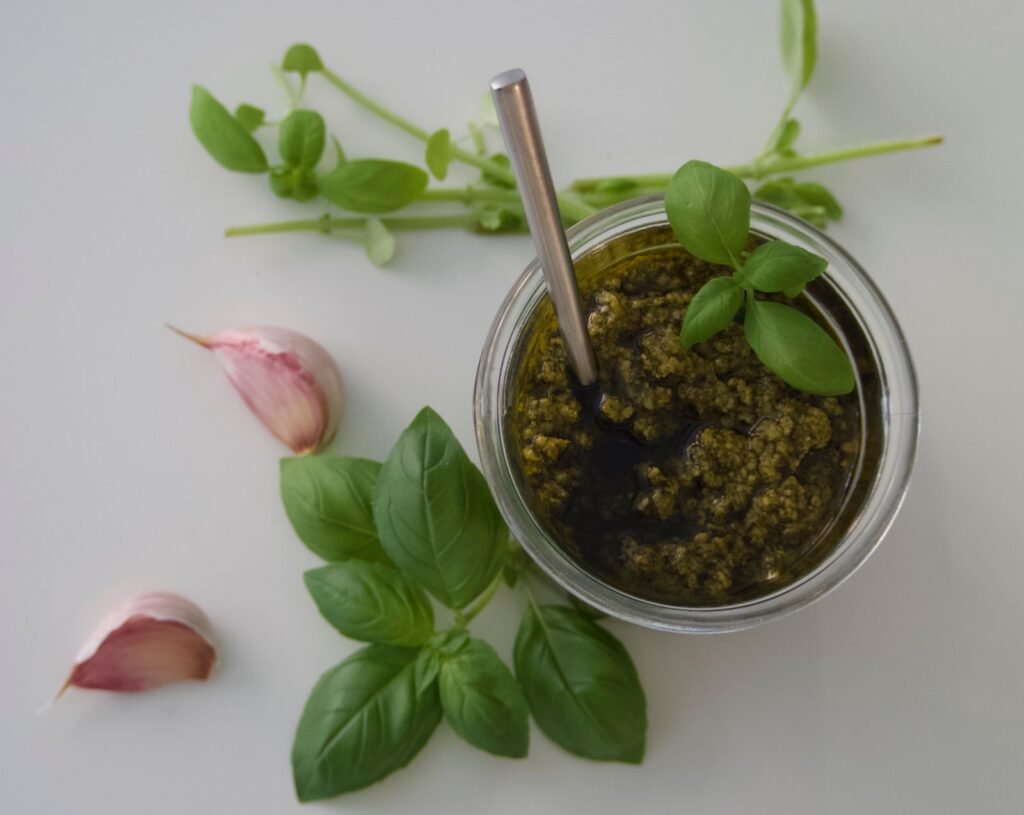
Pesto skips the tomato question entirely, and a good one is basically olive oil, basil and nuts. The catch is that many jarred pestos swap in cashews, which are on Dr. Gundry’s “no” list, or sunflower and canola oil, which he also avoids. Alessi’s Pesto di Liguria sticks closer to tradition. It uses extra virgin olive oil and pine nuts, plus Pecorino Romano, a sheep’s milk cheese. Gundry’s food lists generally favor sheep and goat cheese over most cow’s milk cheese.
Key specs (from the Amazon listing)
- Ingredients: basil, Alessi extra virgin olive oil, imported Pecorino Romano cheese (sheep’s milk, salt, rennet), pine nuts, sea salt, garlic, phosphoric acid (acidity regulator), Alessi white balsamic vinegar
- 3.5 oz jar
- Made in a dedicated gluten-free facility
- Contains tree nuts (pine nuts) and milk
Pros
- Extra virgin olive oil and pine nuts, with no cashews or seed oils
- Sheep’s milk cheese
- A little goes a long way on cassava pasta, shirataki or roasted vegetables
Cons
- Small jar
- Contains dairy, so it is not vegan
- Includes an acidity regulator and a little vinegar
Best for: quick weeknight pasta, and anyone avoiding tomatoes completely.
Buyer’s guide: how to choose a lectin-free pasta sauce
1. Decide where you are on the plan
If you are in a strict early phase or following an AIP-style plan, stick with tomato-free sauces and pesto. If you have reintroduced tomatoes and they sit well with you, a strained passata gives you the real flavor with skins and seeds removed.
2. Read the oil
Many supermarket sauces and pestos use soybean, canola or sunflower oil. Look for olive oil or extra virgin olive oil, or buy an oil-free sauce like Nomato and add your own olive oil at the stove.
3. Check the sugar
Carrot and beet sauces are naturally a bit sweet, and some add coconut sugar, molasses or date syrup. If you are watching sugar, compare the nutrition panels and choose a sauce with no added sweeteners, like Nomato or CARINARA.
4. Watch for hidden peppers and nuts
“Spices” or “red pepper flakes” in a sauce can mean nightshade peppers. In pesto, cashews are a common cheap filler. Read the ingredient list, not just the front of the jar.
5. Passata: smooth, not rustic
Smooth strained tomatoes are sieved to remove skins and seeds. “Rustica” or chunky styles may keep some peel and seeds on purpose, and canned whole or crushed tomatoes usually still have seeds.
6. Use your pressure cooker
Gundry MD says pressure cooking helps reduce lectins in tomatoes, and it also makes a deep, slow-simmered flavor in minutes. Here is an easy version: sauté garlic in extra virgin olive oil, add a carton of passata, basil, oregano and a pinch of salt, then pressure-cook on high for about 10 minutes and finish with more olive oil. Not sure which cooker to use? Read Instant Pot vs Crock-Pot for lectin-free cooking. Slow cookers don’t get hot enough to do the same job.
Watch: Dr. Gundry on homemade tomato sauce
FAQs
Is any tomato sauce truly lectin-free?
Not by lab test that we know of. No sauce brand on this list is certified “lectin-free.” Tomato-free sauces avoid the tomato lectin entirely, while strained passata removes the skins and seeds where Dr. Gundry says most lectins are found. Cooking, especially pressure cooking, reduces lectin activity further.
Is Rao’s or other regular marinara lectin-free?
Most regular marinara sauces, including premium ones, are made from whole or crushed tomatoes that still contain seeds. Some also add sugar or seed oils. On a strict Gundry-style plan, they are not a match unless the brand states that skins and seeds are removed.
What does “nomato” sauce taste like?
It tastes like a mild, slightly sweet vegetable marinara. Garlic, herbs, olive oil and a splash of lemon or vinegar make it taste much closer to tomato sauce. Most people notice the difference in a side-by-side test, but not under meatballs and cheese.
Can I make my own tomato-free sauce?
Yes. Pressure-cook carrots, a small beet, onion and garlic until soft, then blend with olive oil, lemon juice, basil, oregano and salt. The beet adds the red color, so use less of it if you don’t want a purple tint.
Is pesto lectin-free?
Classic pesto is basil, olive oil, pine nuts, cheese and garlic, and those are all on Dr. Gundry’s “yes” lists. Problems come from substitutions such as cashews, sunflower or canola oil, and fillers like potato flakes. Check the label.
What pasta should I use with these sauces?
Cassava, konjac (shirataki), hearts of palm and other grain-free noodles are covered in our best lectin-free pasta and noodles guide.
Bottom line
A lectin-free pasta night is very doable. For a red sauce with no tomato at all, start with Nomato Original, or choose CARINARA if you want olive oil and no added sugar already in the jar. If tomatoes agree with you and you want the real thing, buy a smooth strained passata like Pomì or Mutti, season it yourself and pressure-cook it. Keep a jar of Alessi pesto in the pantry for the nights you want dinner in ten minutes. Whatever you choose, finish it with a generous pour of good extra virgin olive oil.
Dr. Steven Gundry is not affiliated with this site. This post reflects our own reading of his published food lists, blog and videos.