Best Lectin-Free Cheese Brands (2026): 8 Goat, Sheep, Buffalo and European Cheeses
Affiliate disclosure: My Lectin Free Lunchbox may earn a commission from qualifying purchases, including as an Amazon Associate, at no extra cost to you.
This article is for informational purposes only and is not medical advice. Talk with your clinician before making big changes to your diet, especially if you have a milk allergy, lactose intolerance, high blood pressure or another chronic condition.
“What cheese is lectin-free?” is one of the most common questions we get. Cheese itself is not a big source of lectins, but Dr. Steven Gundry puts most American cheese on his No list for a different reason: it is usually made from the milk of cows that produce A1 beta-casein, a protein he believes many people do not tolerate well. His advice is to choose cheeses from goats, sheep and water buffalo, or from cows in parts of Europe where he says A2-type herds are more common.
On Gundry’s Energy Paradox Yes/No food list, the Yes list includes goat’s milk cheese, sheep’s milk cheese, Italian buffalo mozzarella, Parmigiano-Reggiano, French and Italian cheese and cheeses from Switzerland. He also suggests a limit of about 1 ounce of cheese per day. This guide turns that list into real products you can order.
How we picked: every cheese here was listed and available on Amazon when we checked on November 26, 2026. We read the ingredient list and origin on each live listing and matched them to Gundry’s Yes list. Many of these are fresh or refrigerated items that ship through Amazon Fresh or Whole Foods Market, so availability can depend on your ZIP code. We have not taste-tested these specific products, and listings change, so check the label on what you receive. For goat and sheep yogurt and kefir, see our goat and sheep kefir and yogurt guide.
Quick picks: best lectin-free cheese brands
| Cheese | Milk | Origin | Gundry list fit | Link |
|---|---|---|---|---|
| Parmigiano Reggiano PDO 24-month wedge | Cow (raw) | Italy | Named on the Yes list | Check price on Amazon |
| Locatelli Pecorino Romano | Sheep | Italy | Sheep’s milk cheese | Check price on Amazon |
| Casa Mayor Manchego D.O.P. | Sheep | Spain | Sheep’s milk cheese | Check price on Amazon |
| Vermont Creamery Chèvre | Goat | Vermont | Goat’s milk cheese | Check price on Amazon |
| Laura Chenel Goat Brie | Goat | California | Goat’s milk cheese | Check price on Amazon |
| Valbreso French Feta | Sheep | France | Sheep’s milk, French | Check price on Amazon |
| Il Parco Buffalo Mozzarella DOP | Water buffalo | Italy | Italian buffalo mozzarella | Check price on Amazon |
| Emmi Roth Le Gruyère | Cow | Switzerland | Cheese from Switzerland | Check price on Amazon |
1. Parmigiano Reggiano PDO, 24-month wedge: best overall
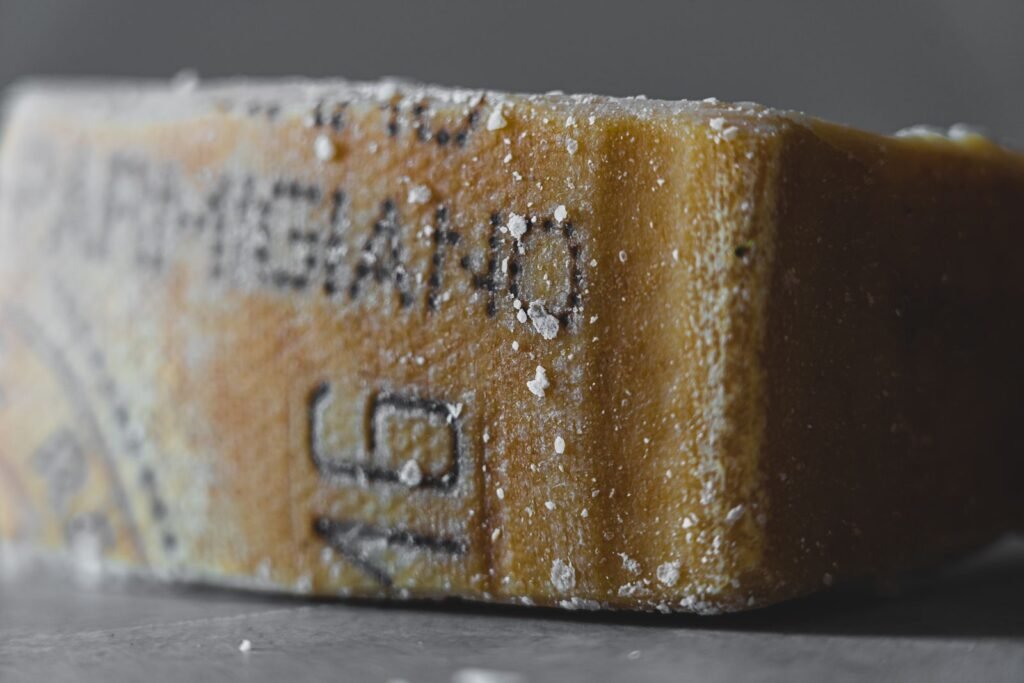
If you only keep one cheese in the fridge, make it real Parmigiano Reggiano. It is one of the few cheeses Gundry names directly on his Yes list, it keeps for weeks when wrapped well, and a little goes a long way, which makes the 1-ounce daily limit easy to live with. Grate it over roasted vegetables, cauliflower rice or lectin-free pasta, or snack on a few shards with walnuts.
This 3-pound wedge from Frank and Sal Italian Market is labeled PDO (Protected Designation of Origin), aged 24 months and cut from the wheel. The ingredient list is short: raw, unpasteurized cow’s milk, sea salt and rennet. The listing notes that Parmigiano Reggiano is naturally lactose-free, a common claim for long-aged hard cheeses. If 3 pounds is too much, a Dietz & Watson 5.3-ounce Parmigiano Reggiano wedge (cow’s milk, salt, rennet) was also available in small quantities.
Key details
- Ingredients: raw cow’s milk, sea salt, rennet (animal)
- Size: about 3 lb wedge
- Aged: 24 months
- Certification: PDO, Italy
Pros
- Named on Gundry’s Yes list
- Long shelf life in the fridge
- Intense flavor, so small portions satisfy
Cons
- Large wedge is a commitment
- Uses animal rennet, so not vegetarian
- Raw milk is not recommended for pregnant people (check with your clinician)
Best for: Anyone starting a Gundry-style kitchen who wants one versatile grating and snacking cheese.
2. Locatelli Pecorino Romano: best sheep’s milk grating cheese
Pecorino Romano is the sheep’s milk cousin of Parmigiano: salty, sharp and made for grating. Locatelli is one of the best-known imported brands, and the 7-ounce listing shows 100% pasteurized sheep’s milk, cultures, rennet and salt, with Italy as the origin. Sheep’s milk cheese is on Gundry’s Yes list, so this is an easy swap anywhere you would use parmesan.
It is noticeably saltier than Parmigiano, so you will likely use less. For a bigger household, a 3-pound Locatelli wedge (aged 9 months, imported from Italy) was also in stock, and the Alma Gourmet Pecorino Romano del Lazio DOP, aged 18 months, is a step up for cheese lovers.
Key details
- Ingredients: pasteurized sheep’s milk, cultures, rennet, salt
- Size: 7 oz
- Origin: Italy
Pros
- 100% sheep’s milk
- Strong flavor stretches a small portion
- Easy parmesan substitute
Cons
- Very salty for anyone watching sodium
- Only a few units left when we checked
- Small piece for the price
Best for: Grating over vegetables, soups and lectin-free pasta when you want a sheep’s milk option.
3. Casa Mayor Manchego D.O.P.: best for snacking and cheese boards
Manchego is Spain’s classic sheep’s milk cheese, and this 1-pound wheel from Casa Mayor is labeled D.O.P., produced in La Mancha from Manchega sheep’s milk. It is aged 3 months for a mild, creamy, slightly nutty flavor that is easy to like, even for kids.
Manchego slices cleanly, so it is a natural fit for lunchboxes and holiday cheese boards. Pair it with walnuts, olives, a few green apple slices in season or lectin-free crackers. The listing names sheep’s milk as the main ingredient and says it is aged without artificial additives.
Key details
- Milk: sheep (Manchega breed)
- Size: about 1 lb wheel
- Aged: 3 months
- Certification: D.O.P., La Mancha, Spain
Pros
- Mild, crowd-pleasing flavor
- Slices neatly for boards and lunches
- Whole small wheel stores well
Cons
- Listing gives a brief ingredient line, not a full label
- Milder than aged Manchego
- Rind is not usually eaten
Best for: Snacking, lunchboxes and holiday cheese boards.
4. Vermont Creamery Chèvre: best fresh goat cheese
Fresh goat cheese is one of the easiest Yes-list cheeses to find, and Vermont Creamery’s 4-ounce log is a reliable choice. The label is about as simple as cheese gets: pasteurized cultured goat’s milk, salt and enzymes, made with vegetarian rennet.
Crumble it over salads and roasted vegetables, stir it into scrambled eggs or whip it with olive oil and herbs for a dip. Because it is soft and tangy, a small amount adds a lot of creaminess. For a bigger, budget-friendly log, the 365 by Whole Foods Market 10-ounce goat cheese log lists pasteurized goat’s milk, salt, cultures and microbial enzymes.
Key details
- Ingredients: pasteurized cultured goat’s milk, salt, enzymes
- Size: 4 oz log
- Origin: Vermont
- Rennet: vegetarian
Pros
- Three-ingredient label
- Soft and versatile
- Vegetarian rennet
Cons
- Fresh cheese with a short shelf life once opened
- Limited stock when we checked
- Delivery depends on your area
Best for: Salads, eggs and quick dips.
5. Laura Chenel Goat Brie: best goat cheese for entertaining
If you miss brie, goat brie is the swap. Laura Chenel’s 5-ounce wheel lists cultured pasteurized goat’s milk, salt and microbial enzymes, and it gives you the same bloomy rind and soft center as cow’s milk brie with a little goat tang.
Serve it at room temperature with walnuts, a drizzle of local honey (Gundry lists it as very limited) or sliced pear in season. It is sold through Whole Foods Market on Amazon, so it ships only where that delivery is available.
Key details
- Ingredients: cultured pasteurized goat’s milk, salt, microbial enzymes
- Size: 5 oz
- Style: bloomy-rind goat brie
Pros
- Rare goat-milk brie option
- Short ingredient list
- Great centerpiece for holiday boards
Cons
- Soft cheese is easy to overeat
- Regional delivery only
- Few units left when we checked
Best for: Holiday boards and anyone who misses brie.
6. Valbreso French Feta: best sheep’s milk feta
A lot of feta in U.S. stores is made from cow’s milk. Valbreso is a French feta made from 100% sheep’s milk and matured in brine, which checks two of Gundry’s Yes-list boxes at once: sheep’s milk and French cheese. The ingredient list is pasteurized sheep’s milk, salt, cheese cultures and enzymes.
It is creamy rather than dry and crumbly, so it is great whipped, crumbled over salads or baked with olive oil and herbs. For a big family, a 21.4-ounce Valbreso tub was also in stock. Another option is Mt Vikos sheep and goat milk feta from Greece, which lists pasteurized sheep and goat’s milk, sea salt, culture and microbial rennet.
Key details
- Ingredients: pasteurized sheep’s milk, salt, cheese cultures, enzymes
- Size: 7 oz
- Origin: France
- Style: brine-matured feta
Pros
- 100% sheep’s milk
- Creamy texture for whipping and baking
- Larger tub available
Cons
- Salty (it lives in brine)
- Use within about a week of opening, per the listing
- Delivery depends on your area
Best for: Salads, whipped feta dips and Mediterranean-style dishes.
7. Il Parco Buffalo Mozzarella DOP: best mozzarella
Gundry specifically lists Italian buffalo mozzarella on his Yes list, and Il Parco’s DOP buffalo mozzarella fits that description. The ingredient list is short: buffalo’s milk, rennet and salt. The seller says it is imported from Italy weekly, and it comes as a pack of three 8.8-ounce balls.
Fresh buffalo mozzarella is softer and richer than regular mozzarella. Tear it over a lectin-free pizza crust, pair it with basil and olive oil, or add it to a salad. For smaller portions, Buf ciliegine (cherry-size buffalo mozzarella) lists pasteurized water buffalo milk, salt, cultures, vegetarian rennet and lactic acid. Want mozzarella for melting instead? Funny Farm goat milk mozzarella lists whole pasteurized cultured goat milk, vegetarian enzyme and salt.
Key details
- Ingredients: buffalo’s milk, rennet, salt
- Size: 8.8 oz, pack of 3
- Origin: Italy (DOP)
Pros
- Named type on Gundry’s Yes list
- Short ingredient list
- Rich, creamy texture
Cons
- Very perishable; plan to eat within days
- Pack of three is a lot for one person
- Ships refrigerated
Best for: Weekend pizza nights, salads and holiday appetizers.
8. Emmi Roth Le Gruyère: best melting cheese from Switzerland
Gundry’s list includes cheeses from Switzerland, and Le Gruyère is the classic. Emmi Roth’s 6-ounce piece is Swiss Le Gruyère made from alpine cow’s milk and aged in traditional cellars, according to the listing. The ingredient list is cultured milk, salt and enzymes.
Gruyère melts beautifully, so it is our pick for gratins, cauliflower “mac” and cheese and lectin-free holiday sides. If you want a larger block, a 1-pound Le Gruyère AOP (product of Switzerland, aged at least 8 months) was also available.
Key details
- Ingredients: cultured milk, salt, enzymes
- Size: 6 oz
- Origin: Switzerland
- Milk: alpine cow’s milk
Pros
- Fits Gundry’s “cheese from Switzerland” category
- Excellent melting cheese
- Nutty, savory flavor
Cons
- Cow’s milk, so not for anyone avoiding all cow dairy
- Delivery depends on your area
- Small piece
Best for: Melting into gratins and holiday sides.
Buyer’s guide: choosing cheese on a lectin-free diet
Start with the animal
Goat, sheep and water buffalo milk cheeses are the simplest Yes-list choices because they do not contain the A1 beta-casein Gundry warns about. Check the label: some “feta” and “mozzarella” is cow’s milk, and some sheep cheeses are blended with cow’s milk.
Then check the origin
For cow’s milk cheese, Gundry’s Yes list leans on Parmigiano-Reggiano, French and Italian cheese and cheese from Switzerland. Look for protected labels like PDO, DOP or AOP, which tie a cheese to a specific region and production method.
What about A2 cheese?
A2 cows produce milk with only the A2 type of beta-casein. In a 2016 randomized trial in Nutrition Journal, people who drank A2-only milk reported fewer digestive symptoms than when they drank conventional milk. The evidence is still limited, and a 2009 European Food Safety Authority review did not establish a cause-and-effect link between A1-derived peptides and disease. A2-labeled cheeses are still hard to find, so for most shoppers goat, sheep and European cheeses are the practical route.
Read the ingredient list
Good cheese needs only milk, salt, cultures and rennet or enzymes. Skip shredded cheeses with added potato starch or cellulose and “cheese products” with long ingredient lists. If you are vegetarian, look for microbial or vegetarian rennet.
Mind the portion and the salt
Gundry suggests limiting cheese to about 1 ounce per day. Hard cheeses like Pecorino Romano and feta in brine are high in sodium, so smaller portions help if you are watching salt.
Store it well
Wrap hard cheeses in parchment or cheese paper, then loosely in a bag, to keep them from drying out. Use fresh cheeses like chèvre and mozzarella within a few days of opening.
FAQs
What cheese is lectin-free?
Cheese is not a major lectin source, but on Gundry’s plan the best choices are goat’s milk cheese, sheep’s milk cheese, Italian buffalo mozzarella, Parmigiano-Reggiano and French, Italian or Swiss cheeses. He places most American cow’s milk cheese on the No list because of A1 casein.
Is Parmesan allowed on the Plant Paradox diet?
Parmigiano-Reggiano is named on Gundry’s Yes list. Look for the real Italian PDO cheese rather than domestic “parmesan” or pre-grated shaker cheese.
Is goat cheese lectin-free?
Goat’s milk cheese is on the Yes list. Plain fresh chèvre and goat brie usually have just milk, salt, cultures and enzymes. Watch out for flavored logs with added sugar or fruit.
How much cheese can I eat?
Gundry’s list suggests about 1 ounce of cheese per day. Your clinician may have different advice for you, especially if you are managing blood pressure or cholesterol.
Is mozzarella lectin-free?
Italian buffalo mozzarella is on the Yes list. Regular U.S. mozzarella is usually cow’s milk, so choose buffalo or goat milk mozzarella if you follow the plan closely.
Bottom line
For a single go-to cheese, buy a wedge of real Parmigiano Reggiano PDO. For sheep’s milk, Locatelli Pecorino Romano is the grating cheese and Casa Mayor Manchego is the snacking cheese. Vermont Creamery Chèvre and Laura Chenel Goat Brie cover soft goat cheeses, Valbreso is a true sheep’s milk feta, Il Parco brings the Italian buffalo mozzarella Gundry names, and Emmi Roth Le Gruyère handles melting. Keep portions small, read every label and enjoy cheese again.
Building a holiday spread? Pair these with our best lectin-free crackers and best lectin-free nuts.